
Raising happy kids with a strong sense of self-worth is one of the most rewarding goals a parent can have.
It’s not about giving children everything they want or protecting them from every challenge, but about helping them grow confident, kind, and resilient.
Kids who have high self-worth believe in their abilities, value themselves, and approach life with optimism.
The foundation for that confidence often begins at home shaped by everyday parental habits that communicate love, respect, and belief in the child’s potential.
Here are seven powerful parental habits that nurture happiness and self-worth in children.
1. Show Unconditional Love and Acceptance

Children thrive when they feel deeply loved—not for what they achieve, but simply for who they are. Unconditional love means embracing your child’s strengths and weaknesses without attaching your affection to performance or behavior.
When kids sense that love is constant, even when they make mistakes, they develop a secure emotional foundation.
Simple actions reinforce this: hugging your child often, saying “I love you” daily, or listening without judgment when they share something difficult.
Words like “I’m proud of you for trying” or “You matter so much to me” tell them that their worth isn’t based on grades, looks, or achievements—it’s inherent.
Even in moments of correction, separate behavior from identity. Instead of saying “You’re so careless,” say “That was a careless mistake, let’s see how to fix it.” The first statement labels the child; the second empowers them to grow.
Over time, this approach builds emotional safety—a key ingredient in lasting happiness.
2. Model Self-Love and Confidence

Children learn far more from what they see than from what they are told. When parents demonstrate self-respect, confidence, and self-care, kids naturally mirror those behaviors.
A parent who constantly criticizes themselves, doubts their worth, or neglects their needs unconsciously teaches the same patterns to their children.
Show your kids that it’s okay to appreciate yourself. Compliment your own efforts openly: “I worked hard today, and I’m proud of what I got done.” Talk about challenges as opportunities for learning: “That didn’t go as planned, but I’ll try again tomorrow.”
Also, model healthy boundaries. Let your children see you saying no to things that drain you and yes to things that energize you.
When parents value themselves, children understand that self-worth isn’t selfish—it’s necessary. They learn to take pride in who they are without seeking constant validation from others.
3. Encourage Effort, Not Perfection

A major threat to a child’s self-worth is the pressure to be perfect. Many kids grow up believing their value depends on flawless performance—whether in school, sports, or social settings.
Parents can counter this by praising effort, perseverance, and curiosity instead of just results.
When your child brings home a good grade, say, “You worked really hard on this, I can tell,” rather than simply “You’re so smart.” Complimenting effort teaches that success comes from persistence and learning, not innate ability.
It also helps children cope better with failure—because they see mistakes as part of growth, not a reflection of their worth.
Encourage them to try new things, even when there’s a chance of failure. When a child says, “I can’t do this,” respond with, “You can’t do it yet, but you’ll get there.”
That small word “yet” plants the seed of resilience.
The goal is not to raise perfect kids—it’s to raise confident learners who aren’t afraid of challenges.
4. Spend Quality Time and Truly Listen
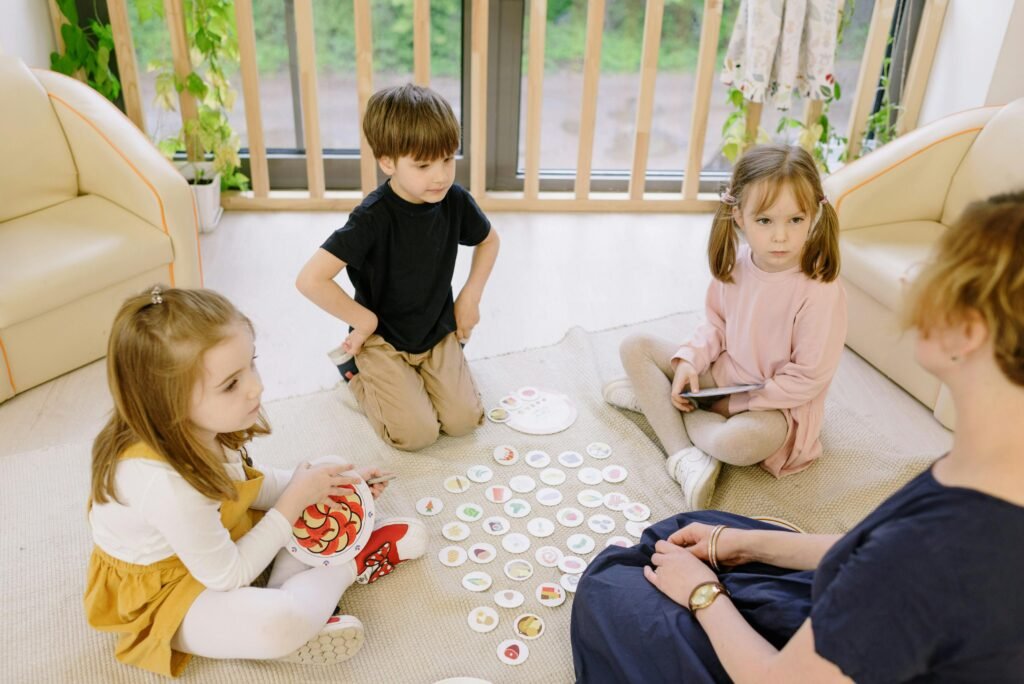
Nothing makes a child feel more valued than a parent’s genuine attention. In a world full of distractions—phones, work, social media—it’s easy to be physically present but emotionally distant.
Children quickly sense when they’re competing for attention, and it can make them feel unseen or unimportant.
Make time every day, even a few minutes, to give your child undivided attention.
Sit down, maintain eye contact, and listen with interest when they talk about their day, their friends, or their worries. Avoid jumping in with advice or corrections right away—sometimes they just need to be heard.
These small moments of presence build emotional connection and trust. They show your child that their thoughts and feelings matter.
When kids feel listened to, they internalize the belief that their voice counts. That self-assurance becomes the foundation for strong self-worth and emotional intelligence as they grow.
5. Set Boundaries with Love and Consistency

While love and freedom are essential, children also need boundaries—they make them feel secure. Consistent, fair limits help kids understand expectations and consequences, while also teaching self-discipline and respect.
When parents enforce boundaries calmly and predictably, children learn responsibility without feeling rejected. The key is to set limits with empathy. Instead of saying “Because I said so,” explain the reason behind your rule.
For example: “You need to go to bed early because your body needs rest to grow strong.” This helps children understand that rules are not punishments—they’re acts of care.
Boundaries also teach children self-control and the importance of respecting others’ space. A parent who keeps promises and follows through consistently builds trust, showing that discipline and love can coexist.
Over time, kids internalize this balance, leading to emotional stability and a strong sense of self-respect.
6. Teach Gratitude and Kindness

Happiness doesn’t come from material things—it’s rooted in appreciation and connection.
Teaching children gratitude helps them focus on what they have, rather than what they lack. Kids who practice thankfulness tend to be more content, empathetic, and emotionally balanced.
You can cultivate gratitude through small daily habits. At dinner, ask each family member to share one thing they’re grateful for.
Encourage your child to say “thank you” sincerely and often. Model kindness by helping others—whether it’s thanking a teacher, donating toys, or simply smiling at a neighbor.
When children see gratitude in action, they learn to value people and experiences over possessions.
This mindset boosts self-worth because they recognize their role in making others’ lives better. It also strengthens emotional resilience ,grateful children bounce back faster from setbacks because they can still see the good around them.
7. Encourage Independence and Problem-Solving

Children build confidence not when everything is done for them, but when they learn to do things on their own. Encouraging independence helps them develop a sense of capability and trust in their own judgment.
Start with small tasks: letting them dress themselves, make a snack, or handle pocket money.
As they grow, allow them to make age-appropriate decisions even if it means they’ll make mistakes. When a child faces a problem, resist the urge to fix it immediately.
Instead, ask guiding questions like, “What do you think you could do?” or “What would happen if you tried this?”
These moments teach responsibility and resilience. They help children understand that while failure is uncomfortable, it’s not final.
When kids learn to recover from mistakes and solve problems creatively, they develop self-efficacy—the belief that they can influence their own lives.
A child who feels capable grows into an adult who trusts themselves—and that’s the essence of self-worth.
Bonus Habit: Celebrate Small Wins
Parents often celebrate big milestones—like winning a prize or getting top marks but everyday successes matter just as much. Recognize your child’s effort to share, to be kind, or to persist through frustration.
These small affirmations tell them that they are growing in meaningful ways, and that progress is worth celebrating.
You don’t need to overpraise; even a smile, a high-five, or saying “I noticed how patient you were today” can light them up.
These simple acknowledgments reinforce positive behavior and make kids feel seen and appreciated for who they are becoming.
Building a child’s happiness and self-worth isn’t about grand gestures—it’s about consistent, loving actions that send one clear message: You are valuable, just as you are.
Parents who model self-love, listen with empathy, celebrate effort, and teach resilience create an environment where confidence can flourish naturally.
Remember, children are always watching. The way you handle stress, mistakes, and self-care becomes their blueprint for how to treat themselves.
When they grow up seeing love expressed through kindness, patience, and respect, they learn to extend that same love inward.
In the end, the goal isn’t to raise perfect children—it’s to raise emotionally strong, joyful, and self-assured human beings who believe they are enough.
And that begins, every day, with the small, powerful habits of mindful parenting.
Leave a Reply