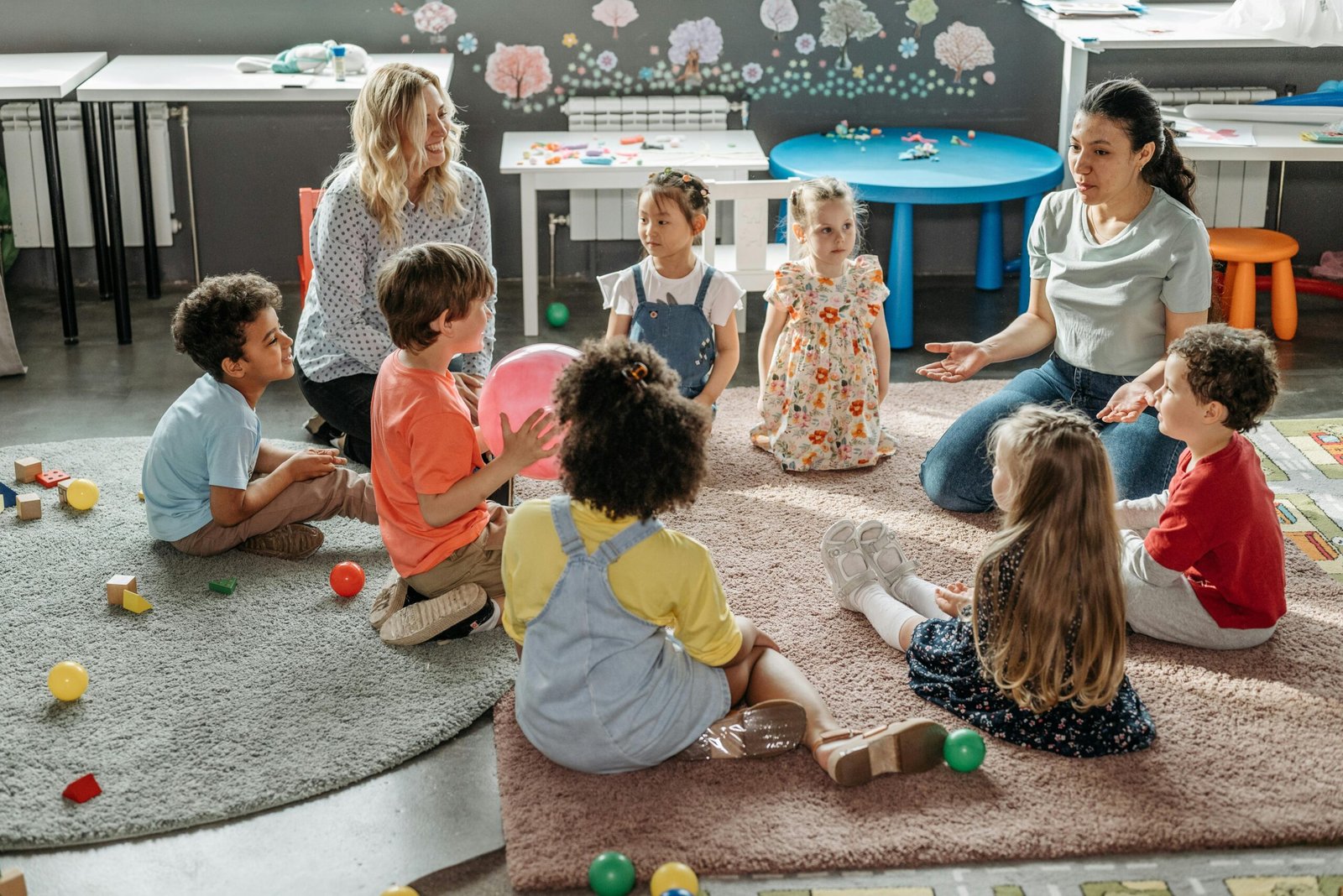
Anger is a natural emotion , one that everyone experiences at some point. But while anger itself isn’t bad, how we express it can make all the difference.
Uncontrolled anger can damage relationships, affect mental health, and even create stress in the body. Learning how to manage it doesn’t have to be boring or serious, it can actually be fun.
“Anger Games” are playful, engaging, and highly effective activities that teach emotional regulation in a creative way.
Here are 12 fun and effective “Anger Games” to make anger management enjoyable and meaningful.
1. Balloon Pop Challenge
This game helps children understand the build-up of anger and how to release it safely.
Blow up several balloons and use a marker to write “anger triggers” on them—such as being teased, losing a game, or someone taking your things.
Now, have the children hold one balloon and imagine a time when they felt angry about that situation.
As they blow more air into the balloon, talk about how anger builds up inside us. Finally, when the balloon is full, let them pop it—symbolizing a healthy release of that built-up anger.
You can extend this by discussing alternative “release” methods—like deep breathing, counting to ten, or walking away—before popping the balloon. It’s a simple but powerful visual that helps children understand how anger grows and how to let it go safely.
2. Emotion Charades
In this game, players act out different emotions without speaking, while others guess the emotion.
Include emotions like happy, sad, frustrated, jealous, angry, and calm.
When “anger” is acted out, discuss what anger looks like, how it feels in the body, and what behaviors come from it. Then, switch to “calm” or “peaceful” and compare the two.
This helps children learn to identify physical and emotional cues—an essential step in recognizing anger before it gets out of control.
It’s both fun and educational, and it boosts emotional intelligence by improving awareness and empathy toward others.
3. The Volcano Experiment
This science-based game is a hands-on way to explore how anger erupts if it’s not managed.
Use a small cup or volcano model, baking soda, vinegar, and red food coloring. As you prepare the “eruption,” explain that anger builds up just like pressure inside a volcano.
Ask each child to name things that make them angry as you add more baking soda.
When you pour the vinegar and the volcano “erupts,” it shows what happens when anger isn’t managed—it spills out and affects everyone nearby.
Afterward, have a discussion about ways to “cool down” the volcano—deep breathing, talking about feelings, or taking a break.
It’s a great visual metaphor for emotional regulation and helps kids understand the importance of expressing emotions before they explode.
4. Calm-Down Dice
Create a fun, interactive way to manage anger with a set of “Calm-Down Dice.”
Write relaxation activities on each side of a large foam die. Examples include: Take 3 deep breaths, Count to 20 slowly, Do 10 jumping jacks, Draw how you feel, Say something you’re grateful for, and Hug yourself.
When a player feels upset or frustrated, they roll the dice and must do the action that comes up.
This turns cooling down into a fun challenge instead of a punishment.
Over time, kids will learn that calming down doesn’t mean “stopping the fun”—it’s just another way to feel better and reset.
This activity also helps children build a “toolbox” of strategies they can use whenever anger arises in real life.
5. The Anger Monster Craft
This creative craft activity helps children externalize their anger in a safe and imaginative way.
Give them materials like paper bags, markers, yarn, and googly eyes to create their very own “Anger Monster.”
Once it’s made, ask questions like: “What makes your monster angry?” and “What helps it calm down?”
You can then role-play scenarios where the Anger Monster gets upset and practice using coping strategies to soothe it.
By turning anger into a character outside of themselves, kids learn that anger is something they can control—not something that controls them.
Plus, it makes for a wonderful art therapy exercise that’s both expressive and healing.
6. Cool-Down Relay Race
Sometimes, movement is the best medicine for strong emotions. This game turns calming down into a fun physical challenge. Set up a small “cool-down course” with stations such as:
- Station 1: Take five deep breaths
- Station 2: Do five slow stretches
- Station 3: Write or draw how you feel
- Station 4: Drink a glass of water
- Station 5: Sit quietly for 30 seconds
Divide the group into teams and have them race through the stations, completing each calming activity before moving to the next.
The goal isn’t just to win—it’s to learn and practice different relaxation techniques through movement and play.
This game is especially helpful for energetic children who need a physical outlet to release anger safely.
7. Anger Detective
Anger often hides behind other emotions like frustration, embarrassment, or fear.
The “Anger Detective” game helps children identify triggers and understand what’s really causing their feelings.
Create cards with short stories or scenarios—like “Your friend didn’t invite you to a party” or “Someone cut in line”.
The players become “emotion detectives,” figuring out what emotion is at play, why it happened, and how to respond calmly.
Ask questions such as: “Why do you think this person felt angry?” and “What would be a better way to handle this situation?”
This builds empathy and critical thinking while helping children see that anger always has a reason behind it.
8. Freeze the Fire
This is a fantastic game for impulse control. Play some upbeat music and have the children dance, jump, or move around.
When you shout “Freeze the Fire!” they must stop immediately and take a deep breath until you say “Cool Down!”
Repeat several times and discuss afterward how it feels to stop in the middle of excitement.
This activity trains self-control—the ability to pause before reacting, even when emotions are strong.
You can later connect this to real-life situations, explaining that “freezing the fire” means pausing before yelling, hitting, or saying hurtful words.
It’s a memorable way to practice emotional control through fun and rhythm.
9. The Calm Jar Experiment
This simple yet magical activity visually shows how emotions settle when we take time to calm down.
To make a calm jar, fill a clear jar or bottle with water, add glitter and a few drops of glue, and shake it up. When the glitter swirls wildly, explain that this represents our mind when we’re angry—chaotic and unclear.
As the glitter slowly settles, talk about how taking deep breaths or waiting a few moments helps our emotions settle too.
Encourage children to shake the jar whenever they feel upset and watch it until the glitter settles completely.
This mindful practice helps them pause, breathe, and regain control. It’s especially great for younger kids who need a visual reminder that emotions pass when we stay still and calm.
10. The Compliment Catch Game
Anger often fades when positive energy replaces it. This game uses a soft ball or balloon and helps build emotional connection and empathy. Sit in a circle and toss the ball around.
Whoever catches it must give a compliment to someone in the group. It could be as simple as “You’re funny,” or “I like how you share your toys.”
This game not only lightens the mood but also trains kids to focus on kindness rather than irritation.
After a few rounds, talk about how compliments and kind words can defuse anger. It teaches that spreading positivity is a great way to shift focus away from negative emotions.
You can even make it a daily ritual at home or school—five minutes of “compliment catch” to start the day on a cheerful, cooperative note.
11. Angry to Awesome Journal
Writing is a powerful emotional outlet, especially for older kids and teens. In this game-like journaling activity, children keep an “Angry to Awesome” notebook.
Whenever they get angry, they write about what happened and how they felt. Then, they brainstorm one “awesome” way to handle the same situation next time.
For example, if they got angry because a sibling broke a toy, they could write:
Angry part: “I yelled and threw another toy.”
Awesome part: “Next time, I’ll walk away and tell an adult instead.”
This transforms journaling into a reflective, game-like challenge—turning negative moments into positive learning opportunities.
It builds self-awareness and accountability in a non-judgmental way, while encouraging emotional growth and maturity.
12. The Anger Traffic Light
This interactive game helps children identify their level of anger and what actions to take before they lose control.
Create a simple chart with three colors:
- Green (Calm): I feel fine and in control.
- Yellow (Upset): I’m starting to get annoyed or frustrated.
- Red (Angry): I feel out of control and need to calm down.
Give each child a small paper wheel or cards with these colors. When they start to feel upset, they point to the color that matches their feeling. Then, guide them through an appropriate response:
- Green → Continue calmly.
- Yellow → Take deep breaths or count to ten.
- Red → Step away or ask for help.
By using this visual tool repeatedly, kids learn to recognize emotional escalation early and take steps to stay in control.
It’s a simple yet powerful method to turn emotional awareness into action.
Why These Games Work
Play is one of the most effective ways to teach emotional regulation, especially for children.
Games make learning interactive, reduce stress, and create positive associations with difficult topics like anger.
By engaging in activities that blend movement, creativity, and mindfulness, kids learn not only to recognize anger but also to manage it constructively.
Each of these games provides an opportunity for discussion, reflection, and bonding.
When children feel safe expressing emotions, they’re more likely to handle them in healthy ways. Over time, these playful practices can translate into better communication, emotional awareness, and self-control in daily life.
Anger is part of being human—but it doesn’t have to lead to chaos or regret. By turning anger management into a series of “Anger Games,” we make emotional learning engaging, memorable, and empowering.
Whether through crafts, science, or movement, these playful techniques teach essential life skills in the most enjoyable way possible.
So next time frustration bubbles up, remember: instead of fighting the fire, play with it—learn from it, laugh through it, and let it transform into calm, understanding, and confidence.
Leave a Reply