Category: Uncategorized

  • Why Forcing Toddlers to Share Creates More Problems Than It Solves

    Why Forcing Toddlers to Share Creates More Problems Than It Solves

    Sharing is often seen as one of the earliest social skills toddlers must learn.

    From playgrounds to playdates, adults frequently step in with reminders like “You need to share” or “Let your friend have a turn.” While the intention is good, forcing toddlers to share too early often creates frustration, power struggles, and even aggression.

    Montessori philosophy approaches sharing very differently.

    Instead of expecting toddlers to share before they are developmentally ready, Montessori focuses on respect, ownership, and natural social growth.

    Understanding why toddlers don’t need to share—and what truly helps them develop generosity—can completely change social interactions during early childhood.

    Why Sharing Is So Hard for Toddlers

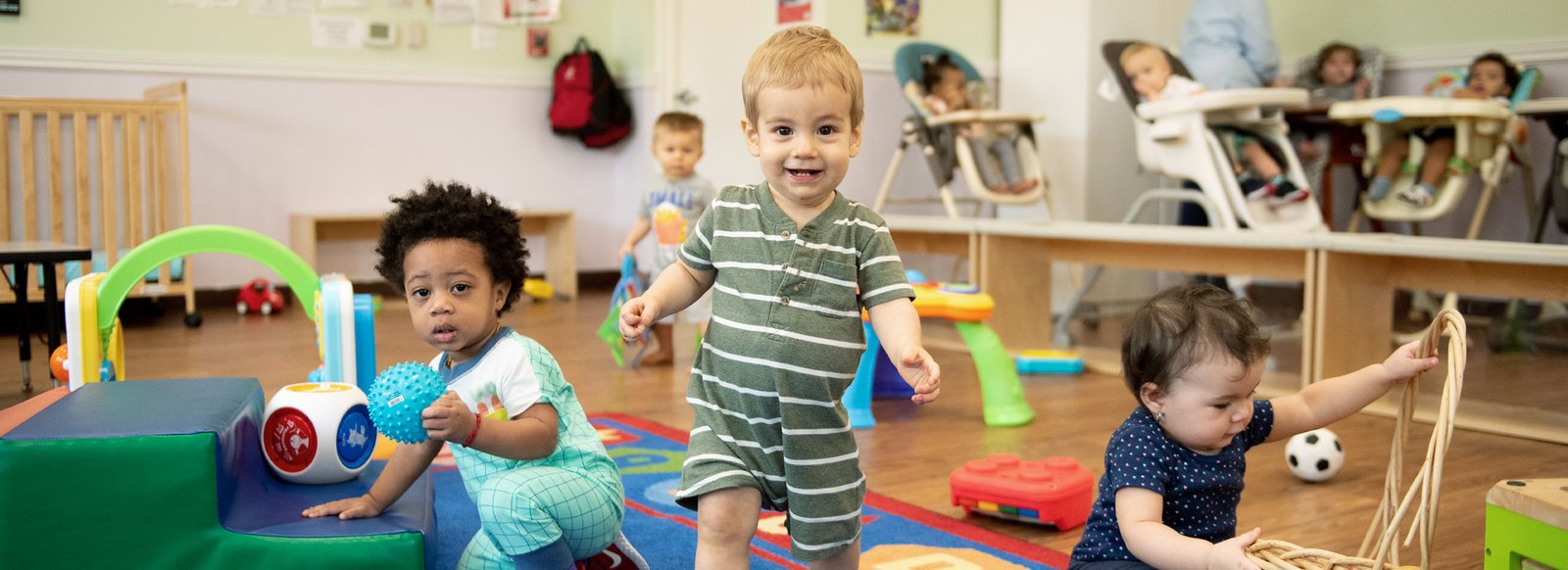
    Toddlers are still developing a sense of self. Around ages one to three, children are learning where they end and others begin. Possessions feel like extensions of their identity.

    When a toy is taken or sharing is demanded, toddlers experience it as loss—not as a social lesson.

    Their brains are not yet equipped to understand abstract concepts like fairness, empathy, or delayed gratification.

    Expecting sharing at this stage places adult expectations on a developing mind.

    Montessori respects this developmental reality.

    The Difference Between Taking Turns and Sharing

    Adults often use “sharing” to mean taking turns, but these are not the same skill.

    Sharing implies voluntary generosity.
    Taking turns requires structure and adult support.

    Toddlers are not capable of spontaneous generosity on demand. Montessori avoids forcing sharing and instead supports turn-taking through clear boundaries and respectful guidance.

    This prevents resentment and reduces conflict.

    What Happens When Toddlers Are Forced to Share

    Forcing toddlers to share often leads to:
    Increased possessiveness
    More tantrums
    Less trust in adults
    Social withdrawal

    Instead of learning kindness, toddlers learn that their needs are ignored.

    Montessori sees forced sharing as harmful because it teaches children that ownership doesn’t matter and that adults will override their boundaries.

    Montessori Belief: Respect the Child’s Work

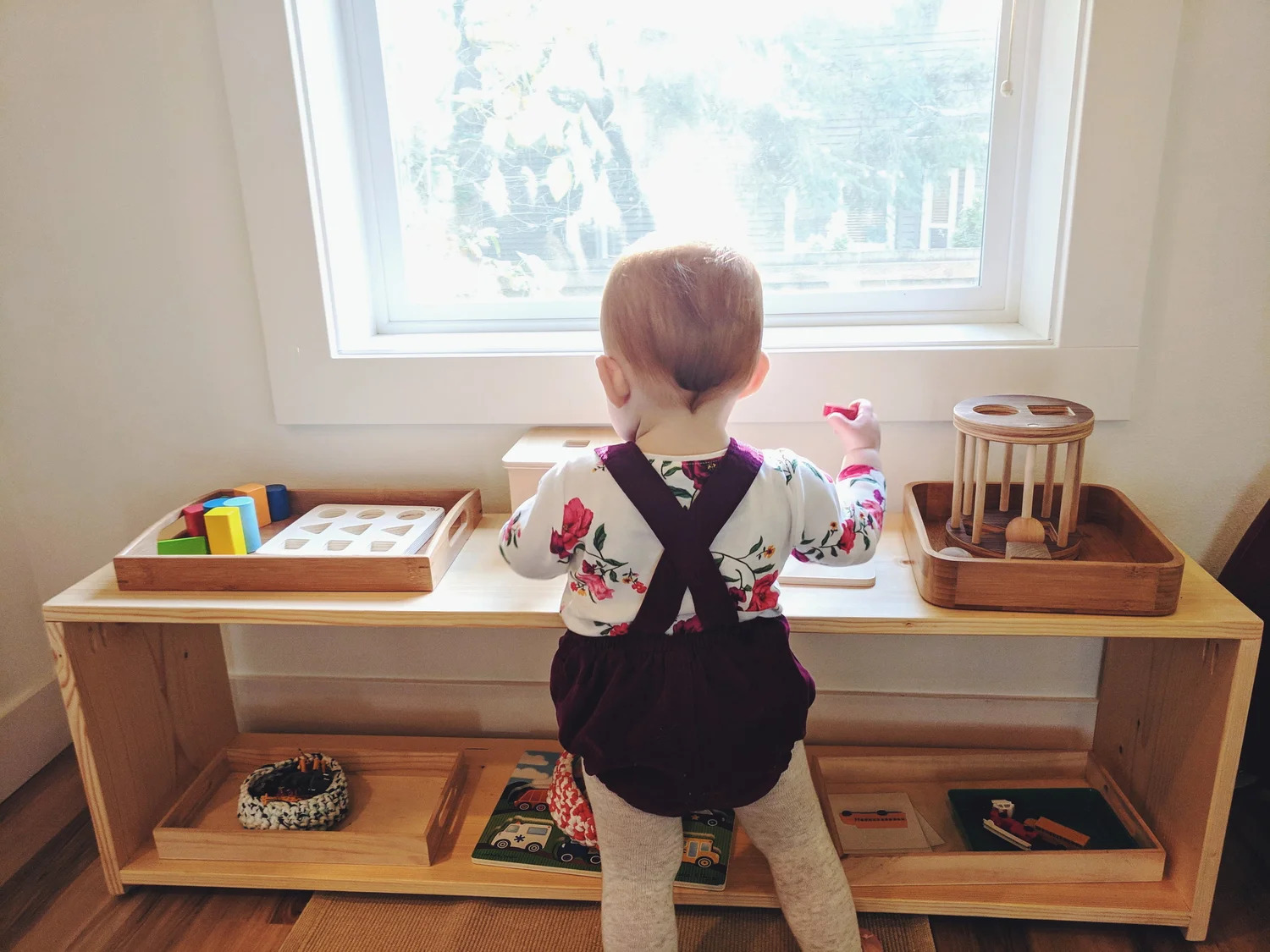
    In Montessori, play is considered a child’s work. When a toddler is engaged with an object, that activity deserves respect.

    Montessori environments typically offer one of each material. This naturally prevents competition and teaches patience without adult enforcement.

    If another child wants the same material, they wait until it’s available. No one is asked to give it up mid-use.

    This builds trust and self-regulation.

    Why Waiting Is More Valuable Than Sharing

    Waiting teaches patience, impulse control, and emotional regulation—skills toddlers can develop.

    Sharing, when forced, teaches compliance without understanding.

    Montessori allows children to experience waiting with adult support, helping them learn how to cope with frustration rather than avoiding it.

    Waiting is a powerful life skill.

    How Montessori Handles Toy Conflicts

    When conflicts arise, Montessori guides adults to stay calm and neutral.

    Instead of forcing sharing, the adult might say:
    “He’s using it right now. You may have it when he’s finished.”

    This simple statement acknowledges both children without taking sides.

    The adult protects the child’s right to continue their work while validating the other child’s desire.

    Teaching Language Instead of Sharing

    Montessori emphasizes giving toddlers language before expecting behavior.

    Children are taught phrases like:
    “Can I have a turn when you’re done?”
    “I’m using this.”
    “You can have it next.”

    Language empowers toddlers to express needs without physical conflict.

    Over time, this leads to more cooperative play.

    Ownership Builds Security

    Respecting ownership builds emotional security. When toddlers know their belongings won’t be taken away arbitrarily, they feel safer.

    Security leads to generosity—not force.

    A child who feels respected is more likely to offer a toy voluntarily later.

    When Sharing Develops Naturally

    True sharing develops later, often around ages four to six, when empathy and perspective-taking mature.

    Montessori does not rush this process. Instead, it prepares the foundation through:
    Respect
    Consistency
    Emotional safety
    Social modeling

    Generosity grows naturally when children feel secure.

    Modeling Sharing Instead of Demanding It

    Montessori relies heavily on modeling. Adults demonstrate kindness, patience, and generosity in daily life.

    When children observe sharing in action, they internalize it over time.

    This is far more effective than demanding behavior before understanding exists.

    How to Respond When Another Parent Expects Sharing

    Social pressure often makes parents uncomfortable. When another adult insists on sharing, Montessori suggests calmly protecting your child’s boundaries.

    You might say:
    “She’s using it right now. She’ll be done soon.”

    This models respectful advocacy without confrontation.

    What to Do If Your Toddler Takes a Toy

    If your toddler grabs a toy, Montessori encourages gentle intervention.

    A calm response might be:
    “He was using that. Let’s give it back.”

    This teaches respect without shame or punishment.

    The focus remains on guidance, not discipline.

    Why Forced Sharing Can Increase Aggression

    When toddlers feel powerless, aggression often increases. Hitting, grabbing, or screaming become tools to regain control.

    Respectful boundaries reduce this need.

    Montessori environments often see fewer conflicts because children feel protected.

    The Long Term Impact of Montessori’s Approach

    Children raised with this approach often develop:
    Stronger boundaries
    Greater empathy
    Better conflict resolution
    More genuine generosity

    These skills extend far beyond toddlerhood.

    Applying Montessori Sharing Principles at Home

    You don’t need a Montessori classroom to apply these ideas.

    Offer duplicates when possible.
    Avoid forced sharing.
    Support turn-taking.
    Protect a child’s right to finish an activity.
    Model generosity.

    Small shifts make a big difference.

    Toddlers don’t need to share to become kind adults. They need respect, time, and guidance.

    Montessori teaches that generosity cannot be forced—it must grow.

    By respecting toddlers’ developmental stage and protecting their sense of ownership, parents create the conditions for true sharing to emerge naturally.

    Kindness built on respect lasts far longer than kindness built on pressure.

  • Big Toddler Emotions No One Teaches Parents How to Handle

    Big Toddler Emotions No One Teaches Parents How to Handle

    Toddlers are known for their big emotions. One moment they are laughing, the next they are crying on the floor because the banana broke in half.

    For many parents, these emotional explosions feel confusing, exhausting, and sometimes overwhelming.

    When big emotions appear repeatedly, punishment often feels like the only option.

    Time-outs, raised voices, threats, or taking things away may seem necessary in the moment.

    Yet despite good intentions, punishment rarely improves toddler behavior long-term.

    In fact, it often makes emotional outbursts stronger and more frequent.

    Understanding why punishment doesn’t work—and what actually helps can completely change how toddlers experience emotions and how parents experience parenting.

    Why Toddlers Have Such Big Emotions

    Toddler brains are still under construction. The emotional center of the brain develops much earlier than the part responsible for logic, impulse control, and emotional regulation.

    This means toddlers:
    Feel emotions intensely
    Lack the ability to control them
    Cannot calm themselves without help

    When a toddler melts down, it’s not a choice. It’s a neurological overload.

    Punishing an overwhelmed nervous system doesn’t teach control. It adds stress to an already overloaded brain.

    What Punishment Teaches Toddlers Instead

    Punishment may stop behavior in the moment, but it teaches the wrong lessons.

    Instead of learning emotional skills, toddlers learn:
    Emotions are dangerous
    Big feelings lead to rejection
    Adults are not safe during distress

    This often leads to suppressed emotions or bigger outbursts later.

    Punishment focuses on stopping behavior, not teaching skills.

    Toddlers don’t need correction during emotional storms. They need support to move through them.

    Why Time Outs Often Backfire

    Time-outs are commonly used to manage toddler behavior. While they can create short-term silence, they don’t help toddlers learn emotional regulation.

    During a meltdown, toddlers are not misbehaving—they are dysregulated.

    Sending them away when emotions are high teaches isolation, not calming.

    Many toddlers come out of time-outs just as upset, or more so, because the underlying emotional need was never addressed.

    Fear Does Not Create Emotional Control

    Punishment often relies on fear—fear of losing something, fear of adult anger, fear of rejection.

    Fear may produce obedience, but it does not create understanding.

    A child who behaves out of fear has not learned how to manage emotions. They have learned how to avoid consequences.

    This does not build emotional resilience.

    What Toddlers Actually Need During Big Emotions

    When emotions explode, toddlers need co-regulation. This means an adult helps regulate emotions until the child can do it themselves.

    Co-regulation looks like:
    A calm adult presence
    Simple, reassuring language
    Physical closeness if welcomed
    Patience during emotional release

    Over time, repeated co-regulation becomes self-regulation.

    Punishment interrupts this learning process.

    Name Feelings Without Judging Them

    One of the most effective alternatives to punishment is emotion labeling.

    Simple phrases like:
    “You’re feeling angry.”
    “You’re frustrated.”
    “That was really disappointing.”

    This helps toddlers connect words to feelings.

    Naming emotions reduces intensity and builds emotional awareness. It does not excuse behavior—it helps children understand it.

    Set Limits Without Punishment

    Boundaries are still important. Gentle parenting does not mean permissive parenting.

    The key difference is how limits are enforced.

    Instead of punishment, use calm, firm boundaries.

    For example:
    “I won’t let you hit.”
    “I can’t let you throw that.”

    Hold the boundary while staying emotionally available.

    This teaches toddlers that emotions are allowed, but harmful behavior is not.

    Stay Close Instead of Sending Away

    When a toddler is emotionally overwhelmed, closeness is regulating.

    If the child allows it, staying nearby helps their nervous system settle faster.

    This does not “reward” bad behavior. It supports emotional growth.

    A calm adult helps a child return to calm.

    Teach Skills When Emotions Are Low

    Toddlers cannot learn during meltdowns. Teaching happens after emotions have passed.

    Later, you can practice:
    Taking deep breaths
    Using words instead of hitting
    Asking for help

    Skills taught during calm moments are more likely to be used during future emotional challenges.

    Punishment skips skill-building entirely.

    Use Predictability to Reduce Emotional Overload

    Many toddler meltdowns are caused by unpredictability.

    Clear routines, consistent responses, and preparation for transitions reduce emotional stress.

    When toddlers know what to expect, they feel safer—and safer children have fewer emotional explosions.

    Punishment does nothing to reduce unpredictability.

    Why Ignoring Emotions Doesn’t Help Either

    Some advice suggests ignoring tantrums. While staying calm is important, emotional neglect can be damaging.

    Toddlers need acknowledgment, not dismissal.

    Ignoring emotions teaches toddlers that feelings are not welcome.

    Acknowledgment builds emotional trust.

    What Happens When Punishment Is Replaced With Support

    When punishment is replaced with calm guidance, parents often notice:
    Shorter meltdowns
    Less aggression
    Better communication
    Stronger connection

    The toddler learns emotional safety instead of fear.

    Over time, emotional regulation improves naturally.

    This Is Not About Being “Soft”

    Supporting big emotions is not weakness. It requires patience, self-control, and emotional maturity from adults.

    Being calm during chaos is harder than punishment—but far more effective.

    Children raised with emotional support grow into adults who can handle stress, relationships, and challenges more effectively.

    What Parents Need to Remember

    Big emotions are not problems to punish. They are skills waiting to be taught.

    Toddlers are not trying to manipulate adults. They are learning how to exist in a world full of rules, limits, and emotions.

    Your calm response becomes their inner voice.

    Punishment doesn’t work for toddler emotions because it targets behavior instead of development.

    Toddlers need guidance, not fear.
    Connection, not isolation.
    Teaching, not punishment.

    When adults respond to big emotions with calm boundaries and emotional support, toddlers learn something powerful:
    Emotions are manageable.
    Adults are safe.
    I can get through this.

    And that lesson lasts far longer than any punishment ever could.

  • How Montessori Parents Move Toddlers Without Tears or Power Struggles

    How Montessori Parents Move Toddlers Without Tears or Power Struggles

    Transitions are one of the hardest parts of toddlerhood.

    Moving from playtime to cleanup, from home to daycare, from bath to bed these moments often trigger resistance, tears, or full meltdowns.

    Many parents assume their toddler is being difficult or defiant, but in reality, transitions challenge a toddler’s developing brain.

    Montessori philosophy approaches transitions differently. Instead of forcing cooperation, it builds understanding, predictability, and respect for the child’s pace.

    The goal is not obedience, but calm cooperation that grows naturally over time.

    When transitions are handled with intention, toddlers feel safer, more capable, and far less reactive.

    Why Transitions Are So Hard for Toddlers

    Toddlers live deeply in the present moment. When they are engaged in an activity, stopping it feels abrupt and upsetting. Their brains are still developing executive functioning skills like time awareness, impulse control, and emotional regulation.

    To a toddler, a sudden transition feels like loss of control.

    Montessori recognizes this developmental reality and adapts the environment and adult behavior to support the child—rather than expecting the child to adapt instantly.

    The Montessori View of Toddler Behavior

    Montessori philosophy does not label toddlers as “misbehaving” during transitions. Instead, it sees resistance as communication.

    A toddler struggling with transitions may be saying:

    • “I need more time”
    • “I wasn’t prepared for this change”
    • “I feel powerless”
    • “I don’t understand what’s happening next”

    When adults respond with force or urgency, the child’s stress increases. Montessori strategies reduce stress before the transition even begins.

    Preparation Is the Foundation of Calm Transitions

    One of the most important Montessori principles is preparation. Toddlers cope better with change when they know it’s coming.

    Instead of abruptly announcing a transition, Montessori encourages advance notice in simple language.

    For example:
    “In a few minutes, we will clean up and eat.”
    “After this song, it will be time to go.”

    This gives the toddler’s brain time to adjust. Even if they don’t fully understand time, they understand sequence.

    Preparation replaces surprise with predictability.

    Use Fewer Words, Clearer Language

    During transitions, toddlers cannot process long explanations. Montessori guidance emphasizes short, calm, and clear statements.

    Avoid over-explaining or negotiating.

    Instead of:
    “We need to clean up now because dinner is almost ready and if we don’t hurry we’ll be late…”

    Say:
    “It’s time to clean up.”

    Tone matters more than words. A calm, confident voice communicates safety.

    Respect the Toddler’s Need for Completion

    Montessori environments respect a child’s work. Toddlers often resist transitions because they haven’t finished what they were doing.

    Whenever possible, allow them to complete an activity or choose a stopping point.

    You might say:
    “You may finish building this tower, then we will clean up.”

    This small act of respect reduces resistance and builds trust. The toddler feels seen rather than controlled.

    Offer Limited, Meaningful Choices

    Montessori encourages choice within boundaries. Choices give toddlers a sense of autonomy without overwhelming them.

    During transitions, offer two acceptable options.

    For example:
    “Do you want to hop to the bathroom or walk?”
    “Would you like to put away the blocks or the books first?”

    This shifts the focus from whether the transition will happen to how it will happen.

    Control transforms into cooperation.

    Slow Down the Adult, Not the Child

    One of the most overlooked Montessori strategies is slowing down the adult’s pace.

    Many toddler meltdowns occur because adults are rushed. Toddlers sense urgency and absorb it emotionally.

    Montessori reminds adults to move slowly, speak calmly, and reduce pressure.

    When the adult slows down, the child regulates faster.

    Calm is contagious.

    Use Visual and Environmental Cues

    Montessori environments rely heavily on visual order. Toddlers understand routines better when they can see what comes next.

    Simple cues like consistent routines, tidy spaces, and familiar sequences reduce anxiety.

    For example, always washing hands before meals or reading a book before bed helps toddlers anticipate transitions without verbal reminders.

    The environment becomes the guide instead of constant adult correction.

    Involve the Toddler in the Transition

    Montessori emphasizes participation. Toddlers cooperate more when they feel involved rather than moved or managed.

    Invite them into the process.

    Examples include:
    Carrying their own shoes
    Turning off the light
    Putting toys back on the shelf

    Participation builds competence and reduces resistance.

    A child who feels capable is less likely to protest.

    Acknowledge Feelings Without Delaying the Transition

    Montessori respects emotions without letting them control the outcome.

    It’s okay to name feelings:
    “You’re sad playtime is over.”

    But the transition still happens.

    This teaches toddlers two powerful lessons:
    Feelings are allowed.
    Boundaries remain steady.

    Emotional acknowledgment does not mean emotional control.

    Consistency Builds Trust

    Montessori transitions rely heavily on consistency. When routines are predictable, toddlers feel secure.

    If transitions change daily or rules shift depending on mood, toddlers test boundaries more often.

    Consistency reduces the need for power struggles because the child already knows what will happen.

    Trust grows when expectations are steady.

    Why Rewards and Bribes Don’t Work Long-Term

    Montessori avoids bribes, countdown threats, or rewards for transitions. While they may work temporarily, they shift motivation from internal cooperation to external payoff.

    Toddlers then expect incentives for basic routines.

    Instead, Montessori builds intrinsic motivation through respect, autonomy, and predictability.

    Children cooperate because they feel capable—not because they’re promised something.

    Handling Transition Meltdowns the Montessori Way

    Even with the best strategies, meltdowns will still happen. Montessori does not aim to eliminate emotions.

    When a meltdown occurs:
    Stay calm
    Stay nearby
    Keep language minimal
    Ensure safety

    Do not lecture or rush emotional processing. Your calm presence helps the toddler’s nervous system settle.

    Once calm returns, move forward without punishment or shame.

    Long Term Benefits of Montessori Transitions

    Children raised with respectful transitions often develop:
    Better emotional regulation
    Stronger independence
    Higher cooperation
    Lower anxiety around change

    These skills extend beyond toddlerhood into school years and adulthood.

    Montessori sees transitions as opportunities to build life skills, not moments to control behavior.

    Applying Montessori at Home Without Perfection

    You don’t need a full Montessori setup to apply these strategies. What matters most is mindset.

    Respect the child’s pace.
    Prepare instead of surprise.
    Lead calmly.
    Trust development.

    Small changes in how transitions are handled can dramatically reduce daily stress.

    Toddlers struggle with transitions not because they are difficult, but because change is hard for developing brains. Montessori strategies meet toddlers where they are developmentally, offering guidance instead of force.

    Calm transitions are built through preparation, respect, and consistency—not pressure.

    When toddlers feel safe and capable, cooperation follows naturally.

    Helping toddlers through transitions isn’t about making them comply faster. It’s about helping them grow calmer, stronger, and more confident—one transition at a time.

  • 12 Quiet Ways Mothers Are Building Unbreakable Bonds With Their Daughters

    12 Quiet Ways Mothers Are Building Unbreakable Bonds With Their Daughters

    The bond between a mother and daughter is one of the most influential relationships in a girl’s life.

    It shapes how she views herself, her emotions, her confidence, and her future relationships. Connection doesn’t come from grand gestures or perfect parenting.

    It grows quietly through everyday moments, consistency, and emotional safety.

    Many mothers worry about losing connection as their daughter grows older, becomes more independent, or pulls away emotionally.

    The truth is, connection doesn’t disappear suddenly. It weakens when small moments of closeness are missed repeatedly. Strengthening that bond is less about doing more and more about doing a few things with intention.

    These twelve ways focus on emotional connection, trust, and presence without forcing closeness or overwhelming either of you.

    1. Listen Without Rushing to Fix

    When your daughter talks, she isn’t always looking for solutions. Often, she wants to feel heard. Jumping in with advice too quickly can make her feel misunderstood or dismissed, even when your intentions are loving.

    Practice listening fully before responding. Let her finish her thoughts. Sit with her feelings without correcting or minimizing them. This builds emotional safety and teaches her that her voice matters.

    Over time, a daughter who feels heard will naturally come to her mother during bigger life moments.

    2. Validate Her Feelings, Even When You Disagree

    Validation doesn’t mean agreeing with behavior. It means acknowledging emotions. Saying “I understand why you feel that way” helps your daughter feel accepted, even during conflict.

    When emotions are dismissed, children learn to hide them.

    When emotions are validated, they learn to process them. This strengthens emotional intelligence and deepens trust.

    A daughter who feels emotionally safe at home is more likely to share her inner world as she grows.

    3. Spend One-on-One Time Without Distractions

    Connection thrives in focused attention. Even short moments matter when they are intentional.

    Put away phones, turn off screens, and be fully present—even if it’s just for ten minutes.

    This time doesn’t need to be structured. It could be a walk, a shared snack, or sitting quietly together. What matters is the message: “You have my full attention.”

    Consistency in these moments builds a strong emotional foundation.

    4. Let Her Be Herself Without Comparison

    Comparisons—whether to siblings, friends, or even your younger self—can quietly damage connection. Every daughter needs to feel accepted for who she is, not who she’s expected to be.

    Celebrate her personality, interests, and strengths, even when they differ from yours. Avoid labels that box her in.

    When a daughter feels accepted as she is, she feels safe being authentic with her mother.

    5. Share Parts of Your Own Story

    Appropriate vulnerability helps humanize you.

    Sharing age-appropriate stories about your struggles, fears, or mistakes shows your daughter that imperfection is normal.

    This doesn’t mean oversharing or placing emotional weight on her. It means showing her that growth is possible and emotions are manageable.

    A daughter who sees her mother as human feels less alone in her own experiences.

    6. Respect Her Emotional Boundaries

    Connection cannot be forced. Sometimes daughters need space, quiet, or independence. Respecting this builds trust rather than distance.

    Avoid pushing for conversations when she isn’t ready. Let her know you’re available without pressure. This teaches her that closeness is safe, not overwhelming.

    Ironically, respecting boundaries often strengthens connection rather than weakening it.

    7. Create Simple Rituals Together

    Rituals create predictability and belonging. They don’t have to be big. A weekly check-in, bedtime talks, shared routines, or small traditions build emotional continuity.

    These moments become anchors in her memory. Even as life changes, rituals provide stability.

    Rituals communicate, “We belong to each other.”

    8. Encourage Her Voice and Opinions

    Allow your daughter to express opinions—even when they differ from yours. Encourage her to speak openly without fear of judgment.

    This builds confidence and self-trust. When a daughter feels respected in conversation, she learns that her thoughts have value.

    A strong voice nurtured at home becomes strength in the outside world.

    9. Be Present During Emotional Highs and Lows

    Connection deepens during emotional moments, not just happy ones. Showing up when she’s excited, anxious, angry, or sad teaches her that love isn’t conditional.

    Avoid minimizing emotions or rushing past them. Presence matters more than perfect words.

    These moments shape her emotional resilience and trust in you.

    10. Avoid Using Shame as Discipline

    Shame damages connection. Words spoken in frustration can linger far longer than intended.

    Discipline rooted in respect preserves trust while teaching responsibility.

    Focus on behavior, not character. Separate mistakes from identity. This protects her self-worth.

    A daughter who feels respected during correction remains emotionally close.

    11. Support Her Independence Without Pulling Away

    As daughters grow, independence increases. Supporting this without withdrawing emotionally is key.

    Let her explore, decide, and grow—while staying emotionally available. Independence and connection are not opposites.

    A mother who supports growth without fear strengthens the bond rather than losing it.

    12. Express Love in Ways She Feels It

    Every child receives love differently. Some value words, others quality time, touch, or encouragement.

    Pay attention to what makes your daughter feel most loved.

    Express love consistently, not only during good behavior. This builds emotional security.

    Love expressed in the right language creates deep connection.

    Why Mother-Daughter Connection Matters Long Term

    The relationship between a mother and daughter shapes emotional patterns that last into adulthood. It influences self-esteem, boundaries, and how love is experienced.

    Strong connection doesn’t mean a perfect relationship. It means a safe one—where repair is possible after conflict and emotions are welcome.

    Connection isn’t built in one conversation or one phase of life. It grows through small, repeated moments of presence, respect, and understanding.

    You don’t need to be a perfect mother to create a strong bond. You need to be present, consistent, and emotionally open.

    The strongest mother-daughter connections are built quietly—one safe moment at a time.

  • Why This Forgotten Parenting Trick Works Even on Strong Willed Kids

    Why This Forgotten Parenting Trick Works Even on Strong Willed Kids

    Parenting advice today is everywhere. Books, podcasts, reels, experts, gentle parenting, conscious parenting, authoritative parenting each promising better behavior, calmer kids, and happier homes.

    Yet many parents feel more overwhelmed than ever. They try technique after technique, only to feel exhausted, confused, and unsure if they’re doing it right.

    Ironically, one of the most effective parenting approaches didn’t come from modern research labs or viral parenting coaches.

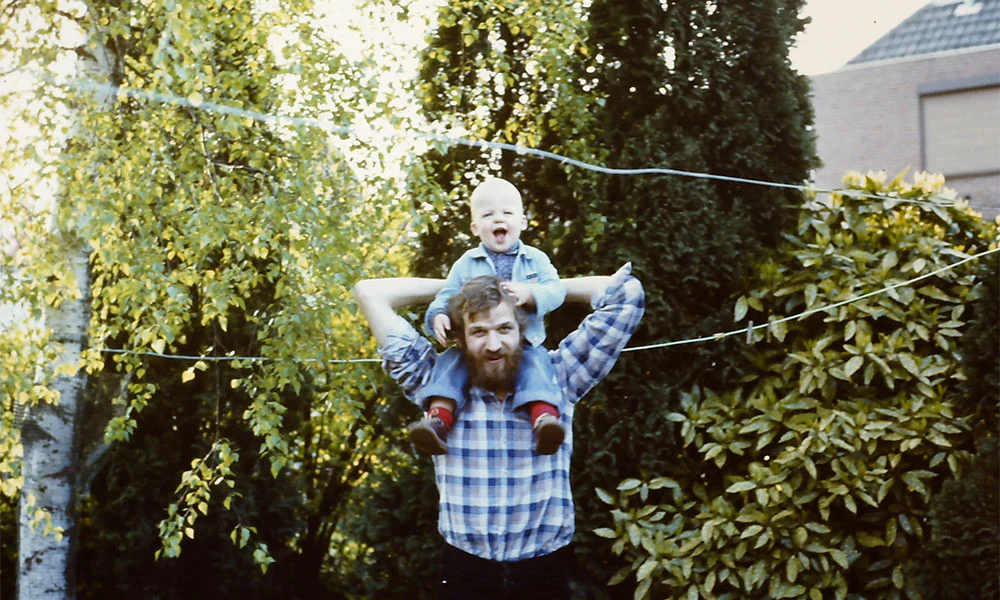
    It quietly existed in the 1970s, practiced by parents who didn’t label it, monetize it, or overthink it.

    The trick is simple, almost boring by today’s standards—but it works better than most modern advice.

    That trick is calm, confident parental authority without over-explaining.

    Not harsh control. Not permissive freedom. Just steady, predictable leadership.

    Why Modern Parenting Feels So Hard

    Modern parenting often places parents in a constant state of self-doubt.

    Every reaction is questioned. Every boundary feels like it needs a psychological justification.

    Parents are encouraged to explain, negotiate, validate, revalidate, and emotionally process every single situation.

    While emotional awareness is valuable, too much explanation can backfire—especially with young children.

    Children don’t feel safer when parents sound unsure. They feel safer when parents feel steady.

    In the 1970s, most parents didn’t deliver long emotional speeches. They didn’t debate rules endlessly.

    They set boundaries calmly and stuck to them.

    And children understood exactly where the limits were.

    What 1970s Parents Did Differently

    Parents in the 1970s relied heavily on presence, tone, and consistency.

    Discipline wasn’t wrapped in lectures or emotional bargaining. It was clear, simple, and predictable.

    When a parent said “No,” it meant no. Not “no unless you cry long enough” or “no unless I feel guilty.”

    Rules were explained once, not argued every time.

    Children weren’t given control before they were ready to handle it. Parents didn’t fear being disliked for setting limits.

    That confidence created security.

    The Core Trick: Fewer Words, More Certainty

    The most powerful part of this 1970s parenting approach is using fewer words.

    Modern advice often encourages parents to explain why repeatedly. But children, especially under age 7, don’t need long explanations in emotional moments. Their brains aren’t ready to process logic when emotions are high.

    In the 1970s, parents corrected behavior with short, calm statements:

    • “That’s not allowed.”
    • “We don’t hit.”
    • “It’s bedtime now.”

    No over-justifying. No emotional speeches. No debates.

    This wasn’t cold parenting—it was grounded parenting.

    Children didn’t interpret this as rejection. They interpreted it as leadership.

    Why This Works Better Than Endless Explaining

    Children feel safer when parents sound certain. Certainty signals stability. Stability reduces anxiety.

    When parents over-explain, children sense hesitation. They learn that rules are negotiable and that persistence might change outcomes.

    Clear boundaries remove confusion.

    When a child knows exactly what will happen every time, testing decreases. Power struggles fade because there’s nothing to fight against.

    Calm Authority Is Not Harsh Discipline

    This parenting trick is often misunderstood. Calm authority does not mean yelling, spanking, or emotional distance.

    It means:

    • Staying emotionally neutral
    • Enforcing rules consistently
    • Not arguing with emotions
    • Not fearing your child’s frustration

    In the 1970s, children were allowed to be upset—but rules didn’t disappear because of tears.

    Parents didn’t panic when children cried. They understood frustration as part of growing up, not something to immediately fix.

    Modern Parenting Mistake: Confusing Emotions With Control

    One major issue in modern parenting is confusing emotional validation with emotional control.

    Validating feelings does not mean removing boundaries.

    In the 1970s approach, parents acknowledged emotions simply:

    “I know you’re upset.”

    And then followed through anyway.

    No negotiation. No guilt. No rescuing.

    Children learned an important lesson: Feelings are okay, but they don’t change rules.

    This lesson builds emotional resilience.

    The Predictability Advantage

    1970s parenting was incredibly predictable. Children knew what behavior led to which outcome.

    Predictability reduces anxiety and acting out.

    When children aren’t constantly guessing whether a rule will be enforced, they stop testing it.

    Modern inconsistency—sometimes strict, sometimes flexible, sometimes exhausted—creates confusion. Confused children push boundaries more.

    Why Children Actually Prefer This Approach

    It may sound surprising, but children prefer strong boundaries.

    Boundaries answer questions children can’t articulate:

    • Who is in charge?
    • Am I safe?
    • What happens if things go wrong?

    Calm authority answers those questions without words.

    Children raised with this approach often feel less pressure to control situations. They trust their parents to lead.

    The Long-Term Effect Modern Advice Ignores

    Many modern parenting strategies focus on immediate emotional comfort. The 1970s approach focused on long-term emotional strength.

    Children learned:

    • Frustration is survivable
    • Limits exist
    • Self-control develops over time
    • Adults can be trusted to lead

    These skills don’t show instant results, but they compound over years.

    Why This Trick Still Works Today

    Children haven’t changed. Their brains haven’t changed. Emotional development hasn’t changed.

    What changed is adult anxiety.

    Parents today are overloaded with information and fear doing something “wrong.” That fear leaks into discipline.

    The 1970s trick removes that fear by simplifying the role of the parent.

    You don’t need to be perfect. You need to be consistent.

    How to Use This 1970s Parenting Trick Today

    Start by reducing how much you talk during discipline moments.

    Replace long explanations with short statements.

    Instead of:
    “Sweetie, we don’t throw toys because it can hurt someone and we want to be kind and remember last time when…”

    Try:
    “Toys are not for throwing.”

    Say it calmly. Mean it. Follow through.

    Next, stop negotiating boundaries you’ve already set.

    If bedtime is 8:30, it’s 8:30. Not 8:45 because of whining. Not 9:00 because of guilt.

    Children adjust quickly when rules are firm.

    Let Children Feel Disappointed

    1970s parents didn’t rush to fix disappointment. They allowed it.

    Disappointment teaches coping skills.

    When parents immediately soften rules to avoid tears, children never learn emotional recovery.

    You can be kind without changing the rule.

    “I know you’re upset. It’s still bedtime.”

    That’s enough.

    Why This Feels Hard at First

    If you’re used to explaining, negotiating, and emotionally rescuing, this approach may feel uncomfortable.

    You may worry your child feels unheard.

    But being heard doesn’t require constant debate. It requires respect and consistency.

    Children adapt quickly when parents shift into calm authority.

    The Confidence Loop

    This parenting trick creates a positive feedback loop.

    Parents feel more confident.
    Children feel more secure.
    Behavior improves.
    Parents doubt themselves less.
    Consistency increases.

    Over time, discipline becomes easier, not harder.

    What 1970s Parents Knew Without Naming It

    They understood something modern advice often forgets:

    Children don’t need perfect parents.
    They need confident ones.

    Confidence doesn’t come from knowing every parenting theory. It comes from trusting yourself to lead.

    The 1970s parenting trick works because it removes unnecessary complexity. It doesn’t rely on trends, scripts, or expert approval.

    It relies on calm presence, clear boundaries, and emotional steadiness.

    In a world overloaded with advice, sometimes the most effective solution is the simplest one.

    Less talking.
    More certainty.
    Calm leadership.

    That’s the parenting trick that still works—decades later.

  • Stop Punishing, Start Teaching: 7 Discipline Tips for Positive Parenting

    Stop Punishing, Start Teaching: 7 Discipline Tips for Positive Parenting

    Positive parenting is not about letting children “get away with everything.”

    It’s about teaching, guiding, and shaping behavior in a way that builds trust, emotional safety, and long-term self-discipline.

    Discipline, when done right, helps children understand boundaries without fear, shame, or resentment.

    Many parents struggle because they repeat the same discipline methods they experienced growing up, even when those methods don’t work anymore.

    Yelling, threats, and punishments might stop behavior temporarily, but they rarely teach children why something is wrong or how to do better next time.

    The tips below focus on discipline that builds cooperation, emotional intelligence, and respect—without power struggles.

    1. Separate the Child From the Behavior

    One of the most powerful shifts in positive parenting is learning to correct behavior without labeling the child.

    When children hear phrases like “You’re naughty,” “You’re lazy,” or “You’re bad,” they internalize those labels. Over time, they start behaving according to what they believe they are.

    Instead, focus only on the behavior. Say things like “Throwing toys can hurt someone” or “Hitting is not okay,” rather than attacking who they are.

    This helps children understand that mistakes are something they do, not who they are.

    When children feel safe from judgment, they are more open to learning and changing. Discipline becomes guidance, not emotional damage control.

    2. Stay Calm Before You Correct

    Children borrow their emotional regulation from adults. If discipline comes with shouting, anger, or panic, the child’s brain shifts into defense mode. At that point, learning stops.

    Pausing before responding is a discipline tool in itself. Take a breath. Lower your voice. Slow your body language. This shows children how to manage strong emotions instead of being controlled by them.

    Calm discipline doesn’t mean no consequences. It means consequences delivered with clarity, not chaos. A calm response tells the child, “I’m in control, and you’re safe.”

    3. Use Natural and Logical Consequences

    Positive discipline works best when consequences make sense. Natural consequences happen without adult interference.

    Logical consequences are created by parents but directly connected to the behavior.

    For example, if a child refuses to wear a jacket, feeling cold is a natural consequence. If toys are thrown, toys are put away for a while—that’s a logical consequence.

    Avoid consequences that are unrelated, like taking away screen time for not eating vegetables.

    When consequences are connected, children learn cause and effect instead of feeling punished.

    This approach builds responsibility rather than fear.

    4. Set Clear and Predictable Boundaries

    Children feel safer when boundaries are clear and consistent. When rules change depending on mood, children become confused and test limits more often.

    Explain expectations in simple language before problems happen. Instead of reacting after misbehavior, set boundaries early.

    For example, “Markers are for paper, not walls,” or “We hold hands in the parking lot.”

    Consistency matters more than strictness. When children know what to expect, they are less likely to push limits and more likely to cooperate.

    5. Focus on Teaching, Not Controlling

    Discipline is often misunderstood as control.

    In positive parenting, discipline is about teaching life skills—emotional regulation, problem-solving, empathy, and accountability.

    After a mistake, talk about what happened. Ask questions like “What were you feeling?” or “What can we do differently next time?” This helps children reflect instead of shutting down.

    Children who are taught skills grow into adults who can manage themselves.

    Children who are controlled often rebel or depend on external authority to behave.

    6. Model the Behavior You Want to See

    Children learn more from what you do than what you say. If you want respectful communication, show respect during conflict. If you want calm reactions, practice calm responses yourself.

    When parents apologize after making mistakes, children learn accountability. When parents manage frustration without yelling, children learn emotional control.

    Positive discipline begins with self-discipline. Modeling behavior builds credibility and trust, making discipline more effective.

    7. Strengthen Connection Before Correction

    Discipline works best when there is a strong emotional connection. Children are more willing to listen to adults they feel connected to.

    Before correcting behavior, reconnect. This could be through eye contact, a gentle touch, or acknowledging feelings.

    Saying “I see you’re upset” before addressing behavior helps children feel understood.

    Connection reduces power struggles. When children feel valued, discipline feels like guidance instead of rejection.

    Why Positive Discipline Works Long-Term

    Positive parenting discipline focuses on the long game. It aims to raise children who can think, regulate emotions, and make good decisions even when no one is watching.

    Punishment may stop behavior temporarily, but it doesn’t teach skills. Positive discipline teaches children how to behave, not just what not to do.

    Children raised with respectful discipline often develop stronger self-esteem, better emotional intelligence, and healthier relationships later in life.

    Discipline doesn’t have to be loud, harsh, or fear-based to be effective. The most powerful discipline methods are calm, consistent, and rooted in connection.

    By focusing on teaching instead of controlling, separating behavior from identity, and staying emotionally present, parents can guide children toward positive behavior while preserving trust and closeness.

    Positive parenting isn’t about perfection. It’s about progress—one calm, thoughtful response at a time.

  • 14 Smart Parenting Habits That Make Kids Feel Safe

    14 Smart Parenting Habits That Make Kids Feel Safe

    Every child longs for one thing more than anything else. Safety. Not just physical safety but emotional safety.

    A sense that their parents are steady dependable and present. When children feel safe they behave better learn faster and grow into confident adults.

    Safety is the foundation for every healthy habit kindness skill and strength they will ever develop.

    Smart parenting is not about perfection. It is about creating a consistent emotional environment where kids know what to expect and who to turn to.

    These 14 habits are simple but powerful. They shape the way a child sees the world and themselves.

    When practiced consistently they create a deep sense of security that lasts a lifetime.

    1. Staying Calm Even When the Child Is Not

    Children learn emotional regulation by watching adults. When a parent stays calm during difficult moments the child feels grounded.

    Tantrums arguments or mistakes feel less scary because the parent is not adding more chaos.

    Calmness does not mean the situation is easy. It means you are choosing to guide instead of react. When you speak softly and breathe slowly your child feels safe enough to settle.

    Over time they internalize your calmness and begin calming themselves too.

    A calm parent becomes the emotional anchor a child returns to during storms.

    2. Creating Predictable Routines That Make Life Feel Stable

    Structure gives children a sense of control. They understand what comes next and what is expected.

    Predictable routines reduce anxiety and help kids handle daily transitions without resistance.

    A steady morning routine reduces rushing and stress.
    A consistent bedtime routine improves sleep and behavior.
    Regular mealtimes help children feel secure and connected.

    Children need repetition. Predictability makes their world feel safe and manageable.

    When life feels organized they relax and behave more cooperatively.

    3. Following Through With Promises and Boundaries

    One of the strongest ways to build safety is consistency. When parents say one thing and do another children become confused and insecure.

    They stop trusting words because actions do not match.

    Following through with boundaries teaches kids that rules are real and predictable.

    When promises are kept children feel valued and respected. This habit builds trust more deeply than any lecture ever could.

    Consistency reduces conflict because kids know parents mean what they say in a calm and steady way.

    4. Listening Fully Without Interrupting or Judging

    Children feel safe when they know their thoughts and feelings matter. When a parent listens with full attention the child develops confidence in communication.

    They learn that home is a place where their voice is valued.

    Listening does not mean agreeing with everything. It simply means giving the child space to express. When parents respond with patience children share more openly.

    They talk about worries mistakes friendships and fears without hiding anything.

    Emotional safety grows from feeling heard.

    5. Using Gentle Corrective Language Instead of Harsh Reactions

    Harsh words overwhelm children and create fear instead of learning. Gentle corrective language helps them understand what went wrong without feeling attacked.

    For example
    Instead of Why did you do that use Lets try a better way
    Instead of Stop talking use I need you to listen for a moment

    Gentle correction keeps the child’s dignity intact. They focus on the lesson instead of the fear.

    This helps them become more cooperative and more respectful because they feel respected themselves.

    6. Offering Warm Affection Every Single Day

    Physical and emotional affection are powerful signals of safety.

    A simple hug eye contact or soft touch tells the child You are loved no matter what. Children who receive consistent affection feel secure in their identity.

    Affection also helps regulate the nervous system.

    A child who feels stressed or overwhelmed calms much faster with a parent’s gentle presence.

    Affection builds connection which makes discipline easier and communication smoother.

    Love expressed daily becomes the child’s emotional foundation.

    7. Explaining the Reason Behind Rules in Simple Words

    Children accept guidance more easily when they understand the purpose behind it.

    When parents explain boundaries clearly kids feel respected. They do not feel controlled. They feel guided.

    For example
    We hold hands in parking lots to keep your body safe
    We clean up toys so we can find them later
    We speak kindly so everyone feels comfortable

    Understanding the why makes rules feel meaningful. It turns discipline into cooperation instead of conflict.

    8. Being Emotionally Available Even During Stressful Moments

    Children do not only need parents when things are going well.

    They need support most when they make mistakes or feel scared. Emotional availability means showing empathy and connection even in hard times.

    It can be
    Sitting beside a crying child
    Holding them during a meltdown
    Listening to them explain what went wrong
    Reassuring them after a fearful moment

    When children know their parent stays close emotionally instead of withdrawing or reacting they feel deeply safe. This creates lifelong trust.

    9. Encouraging Independence in Age Appropriate Ways

    Children feel safe not only when protected but also when they feel capable. Independence builds confidence and self trust.

    When parents allow children to try age appropriate tasks children learn that they can handle challenges.

    It may be
    Pouring their own water
    Putting on shoes
    Cleaning up toys
    Making simple choices
    Solving small problems before asking for help

    Independence does not mean leaving them alone. It means supporting them with just enough guidance so they succeed at their level.

    Capability creates emotional safety because the child believes in themselves.

    10. Repairing Mistakes and Reconnecting After Conflict

    No parent is perfect. Mistakes happen. Voices get loud. Patience runs low. What matters most is what happens after.

    Repair is one of the smartest habits a parent can practice.

    Repairing might sound like
    I should have spoken more calmly
    I am sorry for how I reacted
    Lets try again together
    I love you and we are okay

    Repair teaches kids something powerful. Relationships stay strong even when there are difficult moments. Mistakes do not break the bond. This lesson gives children deep emotional security.

    11. Teach Predictable Routines

    Children feel safest when they know what to expect. A clear rhythm for mornings, meals, homework, and bedtime gives them a sense of structure.

    Predictable routines reduce anxiety, prevent power struggles, and help kids stay emotionally regulated because the day feels stable and familiar.

    12. Respect Their Feelings Even When You Set Limits

    Kids feel deeply secure when their emotions are acknowledged instead of dismissed.

    You can hold boundaries and still validate how they feel. When a child knows their parent sees their emotions as real and important, they develop trust and learn that home is a safe space to express anything without fear of judgment.

    13. Keep Your Promises

    Following through builds unshakeable security. Kids watch everything, and when you consistently do what you say you will do, they learn that they can rely on you.

    Even small promises like “I’ll play with you after dinner” matter. Consistency becomes a foundation of emotional safety.

    14. Create a Calm Environment During Conflict

    Children feel unsafe when adults lose control. By managing your voice, body language, and reactions during stressful moments, you model emotional maturity.

    Staying calm doesn’t mean avoiding conflict—it means showing children that problems can be solved without yelling or chaos.

    This teaches them resilience and makes home feel like a peaceful, predictable place.

    Safety is the emotional foundation every child needs to grow confidently. These 14 parenting habits create a home where children feel loved listened to guided and supported.

    When kids feel safe they behave better learn faster connect deeply and become resilient individuals.

    A parent who practices calmness consistency and compassion becomes the safest place in a child’s world. And that safety shapes everything they become.

  • Montessori Phrases to Use Every Day With Toddlers – That Actually Work

    Montessori Phrases to Use Every Day With Toddlers – That Actually Work

    Montessori parenting focuses on respect independence calm communication and trust in a child’s natural development.

    Instead of commanding or controlling Montessori language guides the child gently encourages cooperation and helps them understand their own abilities.

    Toddlers thrive when adults use clear calm and respectful words because it matches their developmental stage.

    The way you speak becomes the way they think. Montessori phrases help toddlers feel capable and understood.

    They promote problem solving emotional awareness and independence.

    Below are powerful Montessori inspired phrases you can use every single day that truly work with toddlers.

    1. You can try it yourself. I am here if you need help

    Montessori encourages independence. Toddlers naturally want to do things alone but often feel nervous or unsure.

    This phrase gives them confidence while also giving them security. It does not pressure them to be independent but gently encourages it.

    When children attempt tasks with support close by they gain a sense of competence.

    They begin to trust their abilities.

    This leads to better emotional regulation fewer tantrums and stronger problem solving skills. Offering help only when needed builds resilience and self belief.

    2. I see you are working hard. Tell me what you are trying to do

    This phrase acknowledges effort instead of judging results. Montessori focuses on process not perfection.

    Toddlers flourish when adults notice their attempts rather than their mistakes.

    By naming their effort you strengthen their motivation. They feel seen understood and encouraged.

    Asking what they are trying to do helps them reflect and communicate. This also teaches self evaluation which is an important Montessori principle.

    Children learn to understand their actions instead of seeking approval.

    3. Lets slow down and try again together

    Toddlers often rush because they feel excited or frustrated. When they rush mistakes happen and emotions escalate.

    This phrase brings calmness to the moment.

    Montessori teaches that slow intentional movement helps children master skills. Slowing down reduces overwhelm and helps them think clearly. You are not controlling them.

    You are guiding them toward calmness. When you say try again together you show that mistakes are part of learning.

    This builds patience focus and resilience.

    4. You may choose between this and this

    Choice is a core Montessori principle. Toddlers feel respected when they get small choices.

    Choices give them a sense of control which reduces tantrums dramatically.

    The key is offering only two clear options. Too many choices overwhelm the toddler and lead to confusion.

    Simple choices like

    You may choose the red cup or the blue cup
    You may choose this book or that book
    help them feel independent while keeping boundaries in place.

    This phrase also teaches decision making and confidence.

    5. Your feelings are safe with me. Can you show me what you feel

    Montessori approaches emotions with acceptance and calm guidance.

    Toddlers often cannot name their feelings but they can show them. Inviting them to express rather than hide emotions builds trust.

    This phrase teaches emotional intelligence. You are telling the child that feelings are not wrong and that you will stay with them through difficult moments.

    When toddlers feel safe they calm down faster. Emotional security helps them learn language for feelings and communicate better in the future.

    6. Lets find a solution together

    In Montessori classrooms children learn to resolve problems by thinking through them.

    This phrase brings the same idea into the home.

    It does not blame. It does not punish. It focuses on problem solving. Toddlers learn that challenges can be fixed through calm thinking.

    This phrase also teaches cooperation and empathy. Children feel empowered when they help create solutions that affect them.

    Over time they learn to approach problems with confidence instead of frustration.

    7. Your body is telling me you need a break. Lets take a moment

    Toddlers frequently become overwhelmed without realizing it. Their bodies show signs before their words do.

    Montessori encourages adults to help children recognize physical cues connected to emotions.

    By saying this phrase you teach the child to listen to their body. They begin to connect sensations with behavior. This creates early self regulation skills.

    Taking a break is not a punishment. It is a chance to reset. Toddlers who learn this skill grow into children who know how to calm themselves.

    8. You can watch first then try when you feel ready

    This is a classic Montessori phrase. Children often learn best by observing.

    When toddlers feel pressured to participate they resist. When they are allowed to watch they feel comfortable enough to try on their own.

    This phrase promotes independence and reduces anxiety. Watching helps children build understanding before action. It shows respect for their learning pace. When they decide to try you have given them internal motivation instead of external pressure.

    9. That is not available right now but this is

    Montessori avoids harsh no statements when possible. Instead the adult redirects with clarity and respect. This phrase sets a boundary without creating power struggles.

    Toddlers often react strongly to the word no because they do not understand the reason behind it. By saying something is not available you shift the focus away from denial and toward options. Offering an alternative helps the child transition smoothly without feeling defeated.

    10. Lets tidy this together so we can find things more easily

    Montessori environments emphasize order because it helps children feel calm. Toddlers love participating when cleaning is presented as a shared activity instead of a chore.

    This phrase teaches responsibility. It shows the child that tidying has a logical purpose. They begin to understand the connection between order and clarity.

    Toddlers who clean with adults begin to feel pride in caring for their environment.

    Using the word together makes the task feel manageable and bonding.

    11. Thank you for showing me what you need

    Toddlers often communicate through actions gestures or emotional cues. When they finally communicate clearly it is important to acknowledge it.

    This phrase reinforces communication without judgment.

    Montessori teaches gratitude and respect.

    Thanking the child builds confidence and encourages them to express themselves again in the future.

    Children who feel appreciated communicate more openly and with less frustration.

    12. I trust you to try this safely. I am right here

    Trust is a powerful motivator for toddlers. When a parent shows trust the child feels capable. In Montessori environments children are encouraged to take safe risks because risky play builds coordination strength and confidence.

    This phrase communicates
    I believe in you
    I support you
    I am here to keep you safe

    Toddlers who hear this start believing in their own abilities. They attempt new challenges with confidence instead of fear.

    13. Would you like me to show you or do you want to try alone

    This phrase respects the child’s learning style. Some toddlers want demonstrations.

    Others want to experiment by themselves. Giving them the choice helps them understand their own preferences and encourages self awareness.

    Offering the option shows that their decisions matter. It strengthens independence and reduces frustration.

    When you follow their choice you build trust and respect.

    14. I am listening. Take your time

    Toddlers often need extra time to express themselves. When adults rush them toddlers feel pressured and may give up on communication. This Montessori phrase slows everything down in the best way.

    It tells the child
    Your voice matters
    I will not rush you
    I am here for you

    This builds emotional security and stronger language skills.

    Over time toddlers become better communicators because they feel safe practicing their words.

    15. Lets think what comes next

    Montessori environments help children develop logical thinking. Toddlers thrive when they learn routines sequences and order. This phrase encourages them to think ahead.

    For example
    First we wash hands
    Next we eat
    Then we clean up

    This phrase teaches planning organization and independence. Children start predicting daily steps on their own which reduces chaos and helps them feel confident.

    Montessori language is powerful because it treats toddlers with respect while also supporting their natural development. These daily phrases encourage independence cooperation and emotional understanding.

    They reduce power struggles and help toddlers feel capable calm and connected.

    When children are spoken to with patience and clarity they communicate better behave better and grow into confident resilient individuals.

    Montessori communication is not about controlling a child. It is about guiding them gently so they can discover their own abilities.

  • 8 Smart Phrases That Help Toddlers Communicate Better Than Use Your Words

    8 Smart Phrases That Help Toddlers Communicate Better Than Use Your Words

    Toddlers feel big emotions but have a very limited vocabulary. When they get overwhelmed or frustrated they struggle to express what they feel.

    Many parents say Use your words during these moments. While the intention is good toddlers often do not know what words to use.

    They need guidance not pressure.

    Replacing that phrase with something clearer and more supportive helps toddlers communicate better.

    These alternative phrases teach emotional awareness vocabulary and the confidence to speak without fear.

    Below are eight simple but powerful phrases that work far better than the common instruction Use your words.

    1. Can you show me what you need

    Sometimes toddlers cannot name their feelings or needs. Asking them to show you gives them a safe pathway to communicate.

    This reduces frustration instantly.

    Young children often express through gestures before they express through speech. When you invite them to show you you are validating their natural communication style.

    After they point or act it out you can give them the correct word. Over time this builds their vocabulary and helps them connect actions with language.

    This phrase also strengthens cooperation.

    Instead of demanding a verbal response you offer a gentle invitation that encourages trust and understanding.

    2. Are you feeling sad angry or something else

    Toddlers cannot always identify emotions but they can choose from simple options.

    Offering a small list helps them understand their feelings without overwhelming them.

    By naming basic emotions you are teaching emotional vocabulary. You are also showing the child that feelings are normal and nothing to hide.

    This approach helps them become more self aware and reduces tantrums over time.

    It moves the child from confusion to clarity. When they understand what they feel they can calm down and communicate more effectively.

    3. Tell me what happened in your own way

    This phrase gives toddlers freedom. It tells them there is no right or wrong way to express themselves.

    They can speak slowly loudly quietly or in broken sentences.

    When a child believes their version is accepted they stop worrying about getting words perfect.

    This boosts communication skills immediately. They learn that expressing themselves is more important than speaking flawlessly.

    This phrase also helps you learn the story from their perspective. Toddlers feel validated when they are truly listened to and that validation encourages more communication.

    4. Do you need help explaining it

    This phrase shows teamwork. Toddlers often know what they want but cannot form the sentence.

    Offering help gives them reassurance and reduces emotional buildup.

    When you help them form simple phrases like I want the toy or I need a turn they learn how to structure language.

    You are not forcing them to speak. You are gently supporting their learning. Children learn fastest when they feel safe and supported.

    This phrase also calms the child because it removes pressure. They know they do not have to handle the moment alone.

    5. You can point and I will understand

    Toddlers communicate through pointing long before they communicate through complex speech.

    Allowing pointing does not delay language. In fact it increases language development because children feel understood.

    When they point and you name the object or feeling you create a natural language learning moment.

    For example
    If they point at a cup you say You want water
    If they point at a toy you say You want to play with this

    This builds vocabulary without stress. It also strengthens connection because the child sees that their attempts to communicate are respected.

    6. Try telling me one word if a full sentence feels hard

    Toddlers get overwhelmed when they are expected to speak in sentences. This phrase reduces the pressure and breaks communication into smaller achievable steps.

    One word communication is still progress. It teaches the child that their voice matters.

    Once they say one word you can model the full sentence for them.

    For example
    Child says Water
    You say You want water

    This gives them the structure of a sentence without forcing them to produce it immediately.

    Over time these repeated models help them speak in longer sentences naturally.

    7. Take a deep breath then try again when you are ready

    Toddlers often cannot communicate when they are emotional. Their brains freeze.

    Asking them to calm down first helps them access their language again.

    This phrase also teaches emotional regulation. Children learn that calming their body helps them communicate better.

    When you connect breathing with speaking you are teaching them a lifelong skill.

    This approach is gentle. It tells the child that you are not rushing them. They can take their time. When they feel ready they can try again with more clarity.

    8. I am listening and you are safe. Try to tell me slowly

    Sometimes toddlers just need reassurance. When they feel safe they communicate better.

    This phrase tells them two important things
    You are ready to listen
    They are not in trouble

    Safety opens the door to communication. When toddlers feel rushed or judged they shut down.

    When they feel safe they try harder. Speaking slowly helps them process feelings and words together.

    This phrase also teaches patience. The child learns that communication is not a race. They can take their time and you will still listen.

    Toddlers want to communicate. They want to share their feelings and needs but their language skills are still developing.

    When adults say Use your words the child feels pressured and confused. They are being asked to do something they are not yet ready for.

    These eight alternative phrases guide them gently instead of demanding more than they can give.

    They teach emotional awareness vocabulary and confidence. When toddlers feel supported they express themselves better and tantrums reduce naturally.

    Replacing one simple sentence with more helpful guidance can change the entire relationship between a parent and a toddler.

    With patience and the right language any child can grow into a confident communicator.

  • The 13 Essential Mom Skills That Help Raise Confident and Happy Kids

    The 13 Essential Mom Skills That Help Raise Confident and Happy Kids

    Every mother wants the same thing. A happy child. A confident child.

    A child who grows into someone kind, capable, and resilient. While parenting looks different in every home, there are certain core skills that make a huge difference in how children grow, behave, and understand the world.

    These mom skills are not about perfection.

    They are about presence, patience, and the ability to guide a child through life with strength and empathy.

    Below are the 13 most powerful mom skills that shape a child into someone amazing.

    1. The Skill of Staying Calm When Your Child Loses Control

    One of the hardest things for any parent is staying calm when a child is emotional.

    Children cry, shout, resist, or act out when they are overwhelmed. They are not doing it to frustrate you. They simply do not have the emotional maturity to handle big feelings.

    A mother who stays calm teaches her child emotional safety. When you respond with patience instead of anger, you show them that emotions are not dangerous.

    You become their emotional anchor. Over time your calmness becomes their calmness.

    This skill also reduces power struggles. A calm tone lowers tension. Your child feels heard instead of threatened. They listen better. They cooperate more.

    And gradually they learn to regulate their emotions the way you regulate yours.

    2. The Skill of Listening Before Correcting

    Many parents respond quickly to a child’s mistake. They jump into advice mode. They lecture. They scold.

    They fix. But children do not learn well from correction alone. They learn best when they feel understood.

    Listening does not mean you agree with everything your child says. It means you give them space to express themselves.

    Even two minutes of focused listening can change the entire outcome of a moment.

    When a child says they are upset or scared or frustrated, try to pause and simply ask What happened Then let them talk fully. When children feel heard their behavior improves.

    Their trust increases. Their attitude softens. And they become more open to your guidance.

    3. The Skill of Setting Clear Boundaries That Stay Consistent

    Children thrive on structure. They feel safe when they know what to expect. A mother who sets firm and loving boundaries gives her child a sense of stability.

    Consistency is the key. If something is not allowed one day but ignored the next, the child becomes confused.

    They test limits more. They push harder because they are not sure where the line is.

    A good boundary is simple and predictable. It is communicated calmly. It does not require shouting or threats.

    When your child knows exactly what the rule is and what the consequence will be they begin to regulate themselves. They learn discipline from your consistency.

    4. The Skill of Showing Affection Frequently and Honestly

    Children never outgrow the need for affection. Whether they are toddlers or teenagers they want to feel loved.

    They want to feel accepted. They want to feel that their mother sees them as valuable.

    Affection is more than hugs. It is warm eye contact. It is gentle words. It is encouragement. It is noticing their efforts. It is saying I love you even on the days when the house is chaotic.

    A child who grows up with affection becomes emotionally strong. They develop better confidence.

    They do not seek approval in unhealthy ways. They feel safe expressing their thoughts and mistakes because love is their home base.

    5. The Skill of Teaching Through Behavior Not Words

    Children copy what they see. They observe how you handle stress how you speak to others how you express irritation how you solve problems.

    Your actions teach them far more than your instructions.

    If you want a polite child speak politely.
    If you want a responsible child let them see you manage your duties.
    If you want a kind child treat others with kindness.

    A mother’s behavior becomes the blueprint for her child.

    When you model the qualities you want them to learn you are shaping their character every day without saying a single sentence.

    6. The Skill of Encouraging Independence in Age Appropriate Ways

    It can be tempting to do everything for your child because it feels faster cleaner and easier.

    But this unintentionally slows their development. Children build confidence through small responsibilities.

    A child who pours their own water even if they spill learns coordination.
    A child who puts away toys learns responsibility.
    A child who chooses their clothes learns decision making.
    A child who solves small problems learns resilience.

    Mothers who support independence raise children who believe in themselves. These kids become problem solvers. They grow stronger mentally.

    They learn life skills much earlier. And they carry a sense of capability into adulthood.

    7. The Skill of Staying Emotionally Available Even on Hard Days

    Children do not only need help with homework meals or routines. They need emotional availability.

    They want to know their mother is mentally present. They want to sense warmth in your voice and sincerity in your attention.

    This does not mean you must be perfect. You can be tired overwhelmed or stressed and still be emotionally available.

    It simply means you respond when your child needs connection.

    It might be listening to a school story.
    It might be giving a hug after an argument.
    It might be asking Are you okay
    It might be sitting together quietly.

    Emotional availability builds the strongest parent child bond. It gives your child a foundation that lasts throughout their entire life.

    8. The Skill of Being Patient With Slow Progress

    Children learn at their own pace. Some learn quickly. Some take time. Some understand instructions instantly while others need repeated guidance.

    A patient mother allows this natural progress without shaming or rushing the child.

    Patience communicates trust. When you remain calm during slow learning moments your child feels capable instead of pressured. They begin to try harder because they know you believe in them.

    Small steps matter. A child who is encouraged instead of compared grows into someone who enjoys learning.

    Your patience builds confidence and reduces anxiety. Over time this slow steady support helps children perform better in school relationships and daily responsibilities.

    9. The Skill of Creating a Positive Home Atmosphere

    A peaceful home does not mean a silent home. It means a place where a child feels safe to speak make mistakes laugh ask questions and be themselves.

    A positive atmosphere is created through daily behavior not major events.

    Your tone your reactions your attitude toward challenges all shape the emotional climate of the house.

    When you approach situations with optimism your child learns to do the same.

    Simple habits like starting mornings with warmth practicing gratitude limiting unnecessary shouting and offering reassurance when things go wrong can transform the energy of the home.

    Children who grow up in a positive environment develop better emotional stability and stronger resilience.

    10. The Skill of Teaching Responsibility Through Routine

    Children behave better when they have structure. Routines teach responsibility without pressure or constant reminders.

    A mother who establishes predictable routines makes daily life smoother for everyone.

    Morning routines help children start the day with clarity.
    After school routines help them balance homework and play.
    Bedtime routines help them wind down peacefully.

    When routines are consistent children automatically follow them. They learn discipline organization and time management.

    These habits stay with them into adulthood and help them handle bigger responsibilities confidently.

    A structured routine also reduces power struggles because children know what comes next.

    11. The Skill of Protecting Your Childs Emotional World

    A mother plays a central role in shaping how a child understands themselves.

    Being mindful of your words and reactions is one of the strongest ways to protect their emotional world.

    Avoid labelling the child.
    Avoid comparing them to siblings.
    Avoid dismissing their fears or feelings.

    Instead focus on supporting their emotional growth. Encourage them to talk about feelings.

    Validate their experiences. Guide them gently during conflicts.

    When children know their emotions matter they learn to express themselves in healthy ways.

    They become empathetic adults who are sensitive to others and confident in their own identity.

    12. The Skill of Balancing Nurturing With Discipline

    Some mothers fear being too strict. Others fear being too soft. The real skill lies in balancing both.

    Children need love but they also need structure. They need comfort but also accountability.

    A nurturing mother listens supports and comforts. A disciplined mother guides corrects and sets expectations.

    When these two approaches blend the child learns both kindness and responsibility.

    This balance helps children understand that love does not disappear when they make mistakes. It also teaches them that actions have consequences.

    Kids raised with both warmth and discipline develop stronger self control and better decision making skills.

    13. The Skill of Staying Adaptable as Your Child Grows

    Children change constantly. What works at age three will not work at age six. What comforts a young child may annoy a teenager. Adaptability is one of the most underrated mom skills.

    An adaptable mother adjusts her parenting style as her child grows. She understands that needs preferences emotional responses and behavior patterns evolve.

    She learns new ways to communicate. She becomes flexible with routines when required. She tries new strategies instead of staying stuck in old patterns.

    This flexibility helps children feel understood. They trust that their mother grows with them instead of controlling them.

    It strengthens the bond and creates a healthier long term relationship.

    Raising an amazing child does not depend on having the perfect home or the perfect plan.

    It depends on the skills you practice every day. Staying calm. Listening. Setting boundaries. Showing affection. Modeling behavior. Encouraging independence. Being emotionally present.

    These 13 mom skills create a powerful environment where children grow into confident kind and capable human beings.

    When a mother leads with love and consistency she becomes the greatest influence in her child’s life.