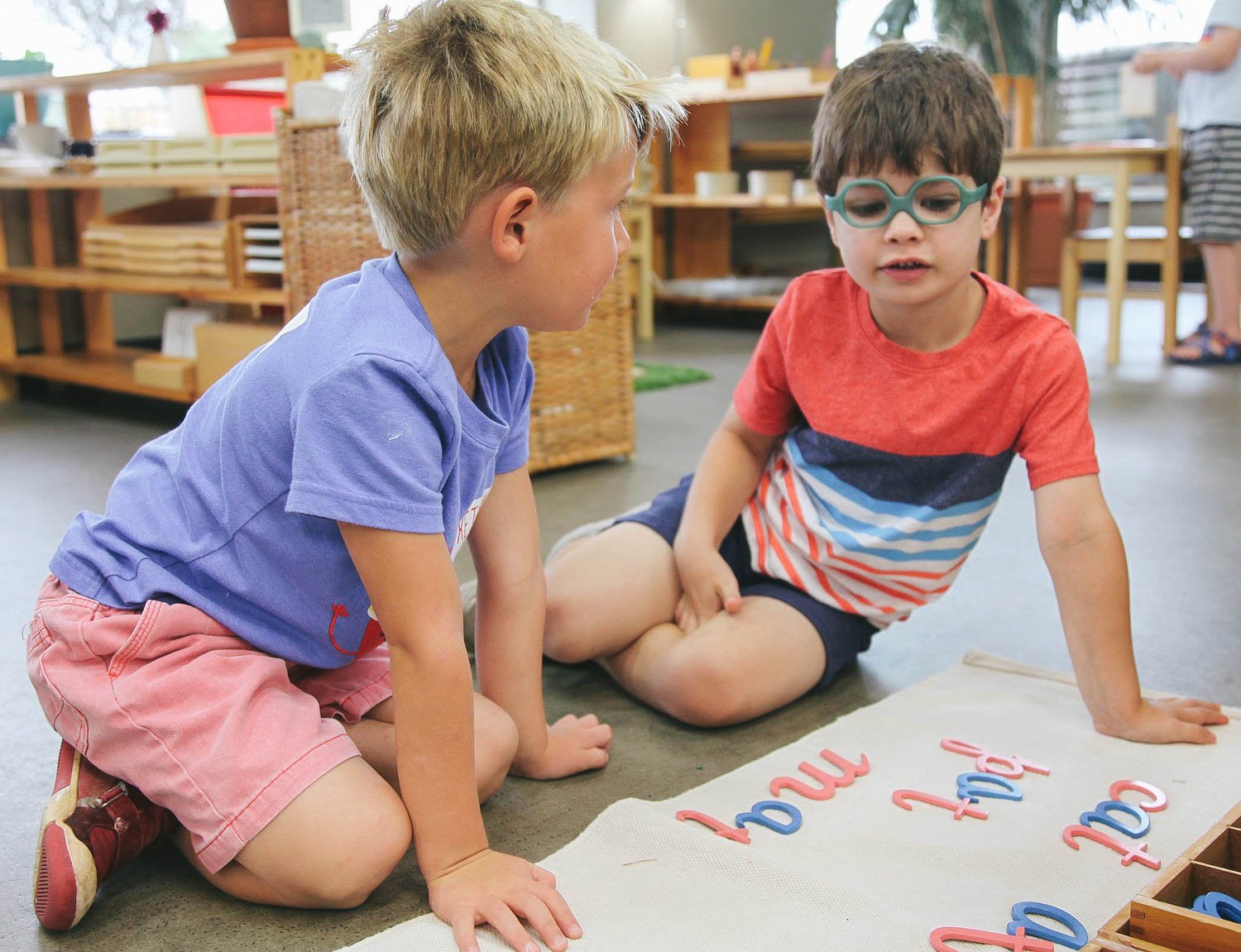
Conflict is an unavoidable part of toddlerhood. Grabbing toys, pushing, shouting “mine,” and emotional meltdowns are daily experiences for many families.
These moments often leave adults feeling pressured to intervene quickly, stop the behavior, and “fix” the situation.
Montessori philosophy takes a very different view. Instead of seeing conflict as something to eliminate, Montessori sees it as an opportunity to teach life skills—communication, empathy, patience, and self-control.
When handled calmly and consistently, toddler conflicts become powerful learning moments rather than daily stress points.
Why Conflict Is Normal in Toddlerhood
Toddlers are still learning how the world works.
They are discovering boundaries, testing independence, and developing a sense of self.
At the same time, their ability to communicate, regulate emotions, and understand others’ perspectives is still limited.
This developmental combination naturally leads to conflict.
Toddlers don’t fight because they are “bad.” They fight because they lack the skills to handle frustration and competing needs.
Montessori respects this stage and focuses on teaching skills instead of punishing behavior.
Montessori’s Core Belief About Conflict
Montessori philosophy believes children are capable of learning peaceful conflict resolution when guided respectfully.
Rather than adults solving every problem or enforcing obedience, Montessori encourages adults to act as calm mediators who support learning.
The adult’s role is not to take sides, but to protect safety and guide communication.
This approach builds long-term emotional intelligence.
The First Priority: Safety
In any conflict, safety comes first.
If a toddler is about to hit, bite, or throw something, the adult steps in physically and calmly.
Simple, firm phrases are used:
“I won’t let you hit.”
“I can’t let you throw that.”
There is no yelling or lecturing. The goal is to stop harm, not shame the child.
Safety creates the foundation for learning.
Stay Neutral and Calm
Montessori emphasizes emotional neutrality during conflict.
Taking sides, showing frustration, or reacting emotionally can escalate the situation.
A calm adult presence helps regulate toddler emotions.
When adults remain neutral, toddlers feel less pressure to “win” and more openness to guidance.
Observe Before Intervening
Not all conflicts need immediate adult involvement.
Montessori encourages adults to pause and observe before stepping in.
Many toddlers can resolve small disagreements independently when given space.
Intervening too quickly can interrupt learning.
Step in only when safety or emotional overwhelm is present.
Give Words to the Situation
Language is a key Montessori tool for conflict resolution.
Toddlers often act physically because they lack words.
The adult helps by narrating the situation:
“You both want the truck.”
“You’re upset because you were using it.”
This helps toddlers feel understood and introduces emotional vocabulary.
Understanding reduces tension.
Respect Ownership and Turns
Montessori respects a child’s right to finish using an object.
If one child is using a toy, the adult protects that child’s work.
A calm statement might be:
“He is using it right now. You may have it when he is finished.”
This removes the need for competition or forced sharing.
Waiting is a skill toddlers can develop.
Avoid Forcing Apologies
Montessori does not force toddlers to apologize.
Toddlers are not yet capable of genuine empathy on command.
Forced apologies teach compliance, not understanding.
Instead, adults model empathy:
“She is crying. That hurt her.”
Empathy grows through experience and modeling.
Offer Simple Choices and Solutions
After emotions settle, Montessori adults offer simple, realistic solutions.
For example:
“You can wait, or you can choose another toy.”
“You can ask for a turn.”
These choices empower toddlers without overwhelming them.
Choice restores a sense of control.
Teach Turn-Taking With Structure
Turn-taking is supported through structure, not demands.
Adults may use language like:
“When he is done, it will be your turn.”
Visual or time-based cues can help toddlers understand waiting.
Structure removes ambiguity and reduces conflict.
Validate Feelings Without Excusing Behavior
Montessori distinguishes between emotions and actions.
Adults validate feelings:
“You’re angry.”
But still hold boundaries:
“I won’t let you hit.”
This teaches toddlers that feelings are acceptable, but harmful actions are not.
This balance is critical for emotional growth.
Model Calm Problem-Solving
Children learn more from what adults do than what they say.
Montessori adults model calm speech, patience, and respectful interaction.
When children see conflicts handled peacefully, they absorb those patterns.
Modeling is more powerful than instruction.
Use the Environment to Reduce Conflict
Montessori places great emphasis on the prepared environment.
Conflict often decreases when:
There are enough materials
Spaces are calm and organized
Routines are predictable
Environmental adjustments often reduce behavior without direct discipline.
Teach Conflict Skills Outside the Moment
Toddlers cannot learn new skills during emotional overload.
Montessori encourages teaching during calm moments.
Practice:
Asking for help
Using words instead of hands
Waiting patiently
Books, role play, and modeling reinforce these skills.
Be Consistent With Language and Responses
Consistency builds trust.
When toddlers receive the same calm response every time, they learn expectations.
Inconsistent responses create confusion and increase testing.
Consistency creates emotional security.
What Happens When Conflict Is Handled This Way
Parents often notice:
Fewer power struggles
Less aggression
Improved communication
Greater independence
Children begin resolving small conflicts on their own.
Confidence grows through experience.
Why This Approach Feels Difficult at First
Many adults were raised with punishment-based discipline.
Stepping back and mediating instead of controlling can feel uncomfortable.
But with time, this approach reduces stress for everyone.
Calm guidance replaces constant correction.
Montessori Conflict Resolution Builds Life Skills
These early conflict experiences shape how children handle disagreements later in life.
Montessori conflict resolution teaches:
Respect for others
Emotional awareness
Patience
Problem-solving
These skills last far beyond toddlerhood.
Supporting Yourself as the Adult
Handling toddler conflict requires self-regulation.
Montessori encourages adults to pause, breathe, and respond thoughtfully.
Your calm presence is the most important tool.
Applying Montessori Conflict Resolution at Home
You don’t need a classroom setup to use these tools.
Stay calm.
Protect safety.
Give words.
Respect turns.
Model solutions.
Teach during calm moments.
Small shifts create big changes.
Conflict is not a problem to eliminate—it’s a skill to be taught.
Montessori conflict resolution helps toddlers learn how to navigate disagreement with respect and confidence.
When adults guide instead of punish, toddlers learn something powerful:
I can solve problems.
My feelings matter.
Others matter too.
And those lessons become the foundation for healthy relationships throughout life.
Leave a Reply