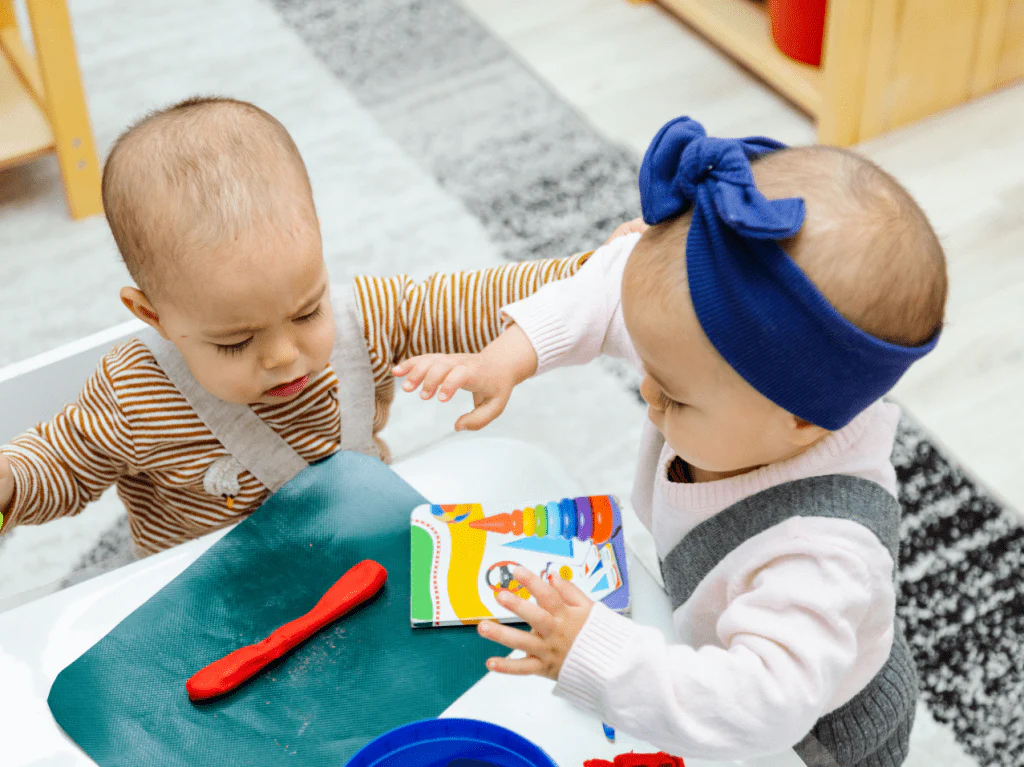
Biting and hitting are some of the most alarming behaviors in toddlerhood.
They can feel shocking, embarrassing, and emotionally charged—especially when another child is involved.
Many parents worry that these behaviors mean something is wrong or that their child is becoming aggressive.
Montessori philosophy offers a grounded, developmentally respectful way to understand and respond to toddler biting and hitting—without shame, fear, or punishment.
The truth is, biting and hitting are often normal phases of development. What matters most is how adults respond.
What’s Normal in Toddler Biting and Hitting
Between ages one and three, toddlers are still developing impulse control, emotional regulation, and communication skills. When emotions overwhelm them, physical actions often come before words.
Common reasons toddlers bite or hit include:
Limited language skills
Frustration or overstimulation
Fatigue or hunger
Sensory exploration
Desire for control
Boundary testing
These behaviors are not signs of bad character. They are signs of unmet needs or undeveloped skills.
Montessori views these moments as communication, not misbehavior.
Why Punishment Doesn’t Stop Biting or Hitting
Punishment focuses on stopping behavior in the moment, but it doesn’t teach toddlers what to do instead.
When a toddler bites or hits and is punished, they often experience:
Fear or shame
Confusion
Increased emotional dysregulation
This can actually increase aggressive behavior over time.
Montessori avoids punishment because it interferes with emotional development and trust.
The Montessori Principle: Protect, Guide, Teach
Montessori responses to biting and hitting follow three priorities:
Protect everyone involved
Guide behavior calmly
Teach skills when the child is ready
This approach addresses safety without damaging emotional security.
What to Do in the Moment
When a toddler bites or hits, the adult response should be immediate, calm, and clear.
Step in physically if needed to stop the behavior. Use a neutral, firm voice.
Simple phrases work best:
“I won’t let you hit.”
“I can’t let you bite.”
Avoid yelling, long explanations, or emotional reactions. Toddlers absorb tone more than words.
The goal is safety, not punishment.
What to Say to the Child Who Was Hurt
Montessori places strong emphasis on caring for the injured child first.
Offer comfort:
“I see you’re hurt.”
“That surprised you.”
This models empathy and shows all children that safety matters.
Avoid forcing apologies. True empathy develops later and cannot be demanded.
What to Say to the Toddler Who Bit or Hit
After safety is restored, address the behavior calmly.
Use clear, respectful language:
“Hitting hurts.”
“Biting is not for people.”
Then offer an alternative:
“You can say ‘stop.’”
“You can ask for help.”
This teaches boundaries and replacement skills.
Why Less Talking Is More Effective
During emotional overload, toddlers cannot process long explanations. Montessori emphasizes short, clear language during incidents.
Save teaching for later, when the child is calm.
This respects brain development and reduces overwhelm.
Teach Skills Outside the Moment
Skill-building happens when emotions are low.
Practice:
Using words
Asking for turns
Taking breaks
Recognizing feelings
Books, role play, and modeling are powerful teaching tools.
Montessori environments emphasize repetition and consistency.
Observe Patterns and Triggers
Montessori encourages observation without judgment.
Notice:
When biting or hitting occurs
Who is involved
What happens before the behavior
Patterns often reveal triggers like fatigue, hunger, or overstimulation.
Adjusting the environment often reduces behavior naturally.
Use the Environment as Support
Montessori focuses heavily on environmental preparation.
Offer enough space, duplicate toys, and calm routines.
Crowded, chaotic environments increase stress and impulsive behavior.
A well-prepared environment supports self-control.
Why Forcing Apologies Doesn’t Help
Toddlers do not yet understand empathy fully. Forcing apologies teaches compliance, not remorse.
Instead, model empathy:
“You’re checking if she’s okay.”
Empathy develops through experience, not pressure.
Stay Consistent and Calm
Consistency builds trust. When toddlers receive the same calm response every time, behavior improves faster.
Emotional reactions from adults often escalate situations.
Montessori adults act as emotional anchors.
When Biting or Hitting Persists
If behavior continues, Montessori suggests:
More observation
More language support
More connection
Fewer demands
Behavior often decreases as communication improves.
What Montessori Teaches About Aggression
Montessori does not label toddlers as aggressive.
It recognizes aggression as a temporary expression of unmet needs.
With guidance and time, most toddlers outgrow biting and hitting naturally.
Supporting Yourself as a Parent
Witnessing biting or hitting can be emotionally difficult.
Montessori reminds adults to regulate themselves first.
A calm adult response is the most powerful tool.
Long-Term Benefits of the Montessori Approach
Children raised with this approach often develop:
Better emotional regulation
Stronger communication skills
Greater empathy
Healthy boundaries
These skills extend far beyond toddlerhood.
Applying Montessori at Home Without Pressure
You don’t need perfection or special materials.
Use simple language.
Stay consistent.
Observe patterns.
Adjust the environment.
Model calm behavior.
Small changes create lasting results.
Toddler biting and hitting are not failures in parenting. They are developmental challenges that require guidance, not punishment.
Montessori teaches that calm boundaries, emotional safety, and skill-building create lasting change.
When adults respond with respect and clarity, toddlers learn something essential:
I am safe.
I am guided.
I can learn better ways.
And that is the foundation of healthy emotional development.
Leave a Reply