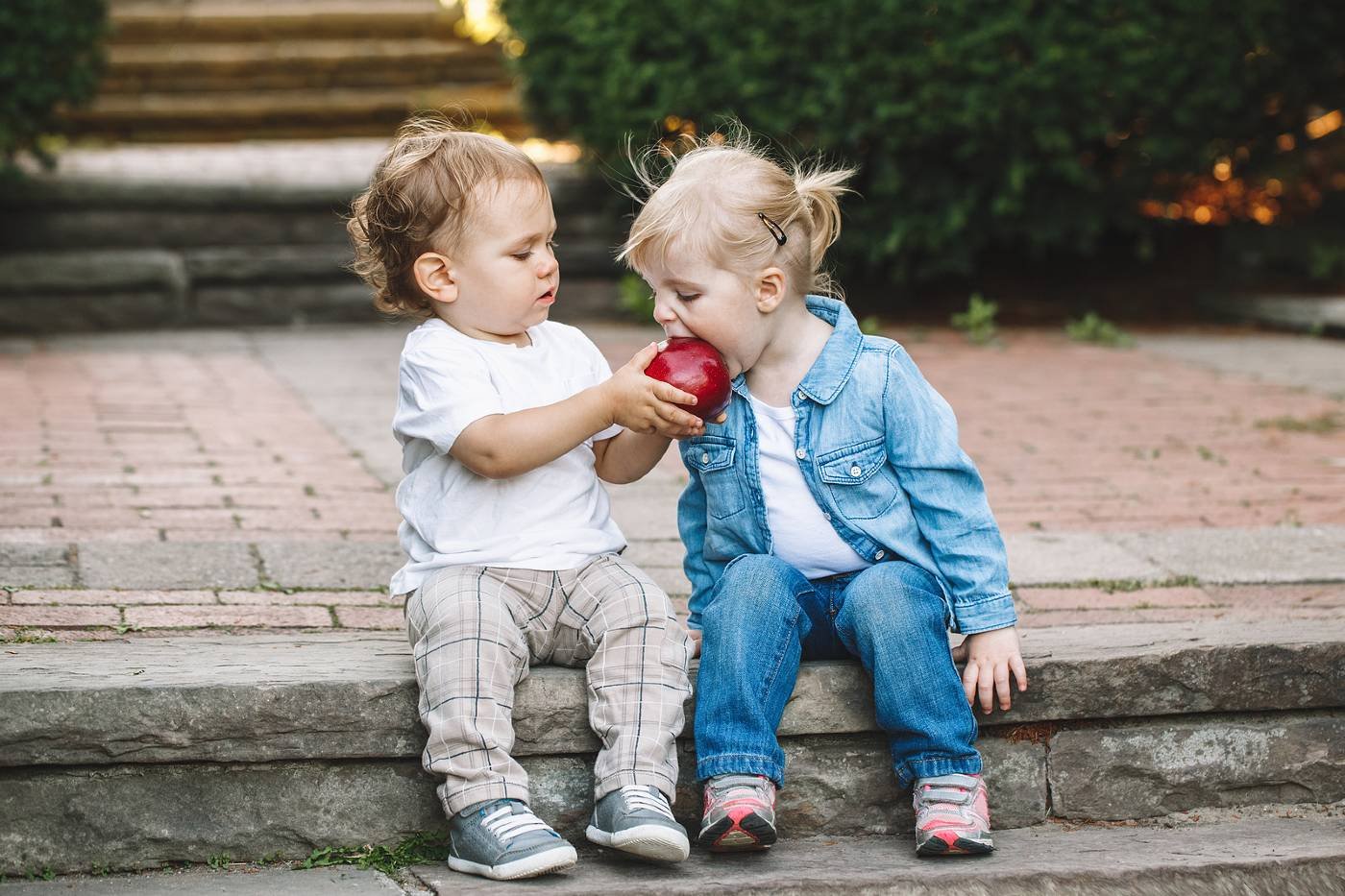
Sharing is often seen as one of the earliest social skills toddlers must learn.
From playgrounds to playdates, adults frequently step in with reminders like “You need to share” or “Let your friend have a turn.” While the intention is good, forcing toddlers to share too early often creates frustration, power struggles, and even aggression.
Montessori philosophy approaches sharing very differently.
Instead of expecting toddlers to share before they are developmentally ready, Montessori focuses on respect, ownership, and natural social growth.
Understanding why toddlers don’t need to share—and what truly helps them develop generosity—can completely change social interactions during early childhood.
Why Sharing Is So Hard for Toddlers
Toddlers are still developing a sense of self. Around ages one to three, children are learning where they end and others begin. Possessions feel like extensions of their identity.
When a toy is taken or sharing is demanded, toddlers experience it as loss—not as a social lesson.
Their brains are not yet equipped to understand abstract concepts like fairness, empathy, or delayed gratification.
Expecting sharing at this stage places adult expectations on a developing mind.
Montessori respects this developmental reality.
The Difference Between Taking Turns and Sharing
Adults often use “sharing” to mean taking turns, but these are not the same skill.
Sharing implies voluntary generosity.
Taking turns requires structure and adult support.
Toddlers are not capable of spontaneous generosity on demand. Montessori avoids forcing sharing and instead supports turn-taking through clear boundaries and respectful guidance.
This prevents resentment and reduces conflict.
What Happens When Toddlers Are Forced to Share
Forcing toddlers to share often leads to:
Increased possessiveness
More tantrums
Less trust in adults
Social withdrawal
Instead of learning kindness, toddlers learn that their needs are ignored.
Montessori sees forced sharing as harmful because it teaches children that ownership doesn’t matter and that adults will override their boundaries.
Montessori Belief: Respect the Child’s Work
In Montessori, play is considered a child’s work. When a toddler is engaged with an object, that activity deserves respect.
Montessori environments typically offer one of each material. This naturally prevents competition and teaches patience without adult enforcement.
If another child wants the same material, they wait until it’s available. No one is asked to give it up mid-use.
This builds trust and self-regulation.
Why Waiting Is More Valuable Than Sharing
Waiting teaches patience, impulse control, and emotional regulation—skills toddlers can develop.
Sharing, when forced, teaches compliance without understanding.
Montessori allows children to experience waiting with adult support, helping them learn how to cope with frustration rather than avoiding it.
Waiting is a powerful life skill.
How Montessori Handles Toy Conflicts
When conflicts arise, Montessori guides adults to stay calm and neutral.
Instead of forcing sharing, the adult might say:
“He’s using it right now. You may have it when he’s finished.”
This simple statement acknowledges both children without taking sides.
The adult protects the child’s right to continue their work while validating the other child’s desire.
Teaching Language Instead of Sharing
Montessori emphasizes giving toddlers language before expecting behavior.
Children are taught phrases like:
“Can I have a turn when you’re done?”
“I’m using this.”
“You can have it next.”
Language empowers toddlers to express needs without physical conflict.
Over time, this leads to more cooperative play.
Ownership Builds Security
Respecting ownership builds emotional security. When toddlers know their belongings won’t be taken away arbitrarily, they feel safer.
Security leads to generosity—not force.
A child who feels respected is more likely to offer a toy voluntarily later.
When Sharing Develops Naturally
True sharing develops later, often around ages four to six, when empathy and perspective-taking mature.
Montessori does not rush this process. Instead, it prepares the foundation through:
Respect
Consistency
Emotional safety
Social modeling
Generosity grows naturally when children feel secure.
Modeling Sharing Instead of Demanding It
Montessori relies heavily on modeling. Adults demonstrate kindness, patience, and generosity in daily life.
When children observe sharing in action, they internalize it over time.
This is far more effective than demanding behavior before understanding exists.
How to Respond When Another Parent Expects Sharing
Social pressure often makes parents uncomfortable. When another adult insists on sharing, Montessori suggests calmly protecting your child’s boundaries.
You might say:
“She’s using it right now. She’ll be done soon.”
This models respectful advocacy without confrontation.
What to Do If Your Toddler Takes a Toy
If your toddler grabs a toy, Montessori encourages gentle intervention.
A calm response might be:
“He was using that. Let’s give it back.”
This teaches respect without shame or punishment.
The focus remains on guidance, not discipline.
Why Forced Sharing Can Increase Aggression
When toddlers feel powerless, aggression often increases. Hitting, grabbing, or screaming become tools to regain control.
Respectful boundaries reduce this need.
Montessori environments often see fewer conflicts because children feel protected.
The Long Term Impact of Montessori’s Approach
Children raised with this approach often develop:
Stronger boundaries
Greater empathy
Better conflict resolution
More genuine generosity
These skills extend far beyond toddlerhood.
Applying Montessori Sharing Principles at Home
You don’t need a Montessori classroom to apply these ideas.
Offer duplicates when possible.
Avoid forced sharing.
Support turn-taking.
Protect a child’s right to finish an activity.
Model generosity.
Small shifts make a big difference.
Toddlers don’t need to share to become kind adults. They need respect, time, and guidance.
Montessori teaches that generosity cannot be forced—it must grow.
By respecting toddlers’ developmental stage and protecting their sense of ownership, parents create the conditions for true sharing to emerge naturally.
Kindness built on respect lasts far longer than kindness built on pressure.
Leave a Reply